A Much-Needed Escape
This trip came at exactly the right time.
Work had been demanding, my mind felt cluttered, and I needed an opportunity to switch off for a while. Not a grand adventure or a packed itinerary—just some time outdoors with a clear purpose. Wildlife photography has always been a way for me to slow down and focus on the present moment, and on this occasion, that was exactly what I was looking for.
Most of the time, I head out without a particular species in mind, happy to see what the day brings. This trip felt different. Rather than chasing a variety of subjects, I wanted to concentrate on just one. Having a single goal felt like the perfect way to clear my head and leave everything else behind for a few hours.
That goal was the Dartford Warbler.
It’s a species I’d heard fellow photographers and birdwatchers talk about for years, yet somehow it had always managed to evade me. My previous encounters had been brief and frustratingly distant, resulting in little more than record shots. I knew the bird was capable of producing beautiful images, but I’d never managed to be in the right place at the right time.
This time, I was determined to change that.
And thankfully, I knew exactly where to start looking.
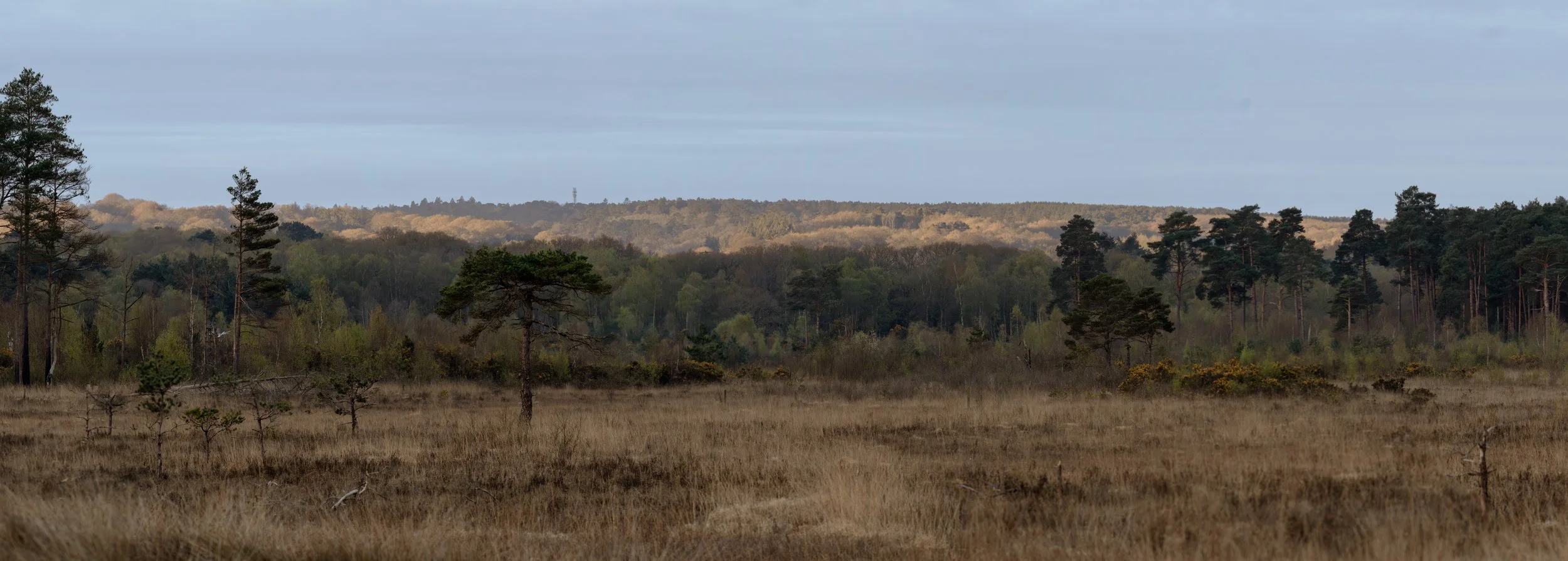
Chasing Light That Didn’t Last
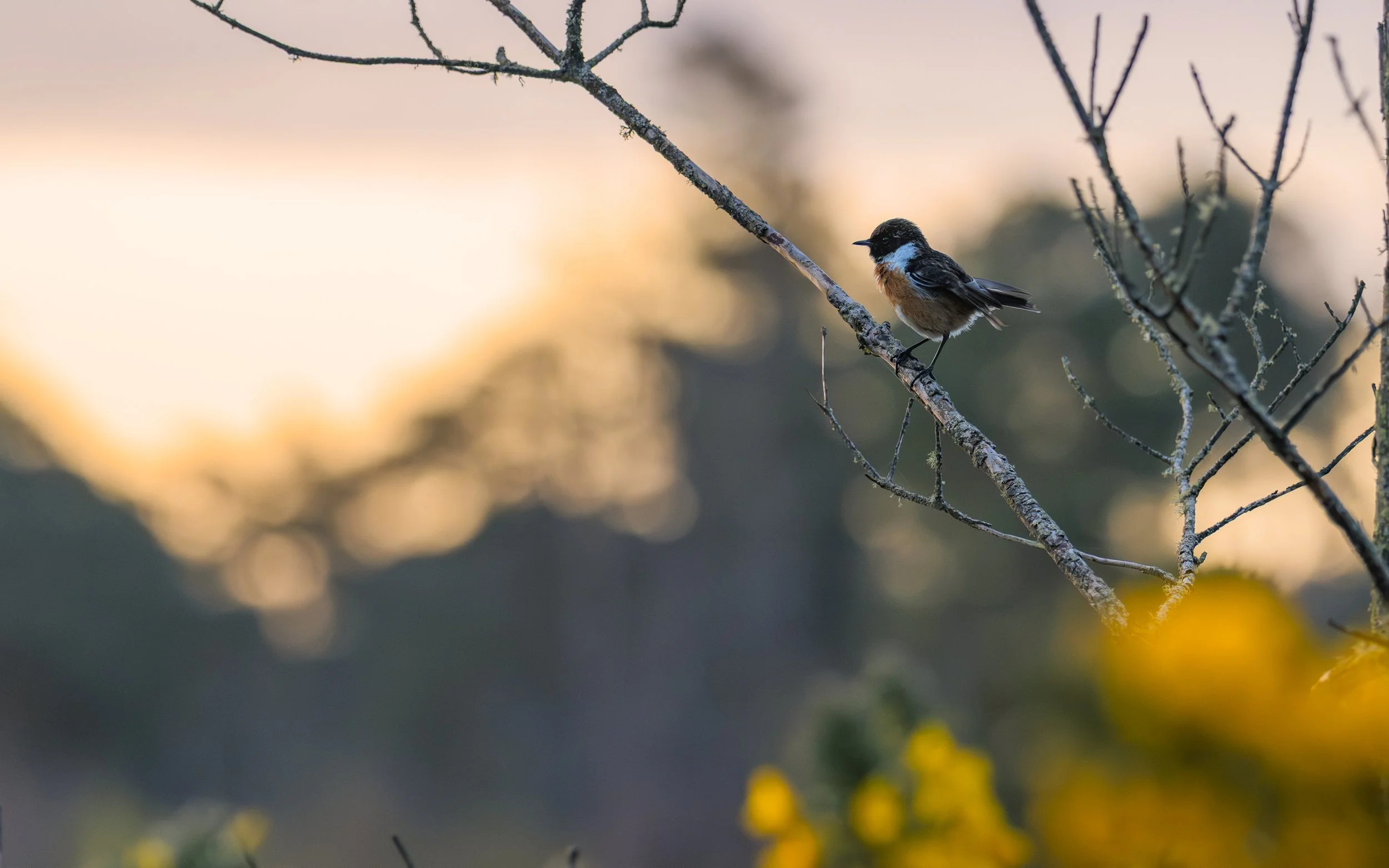
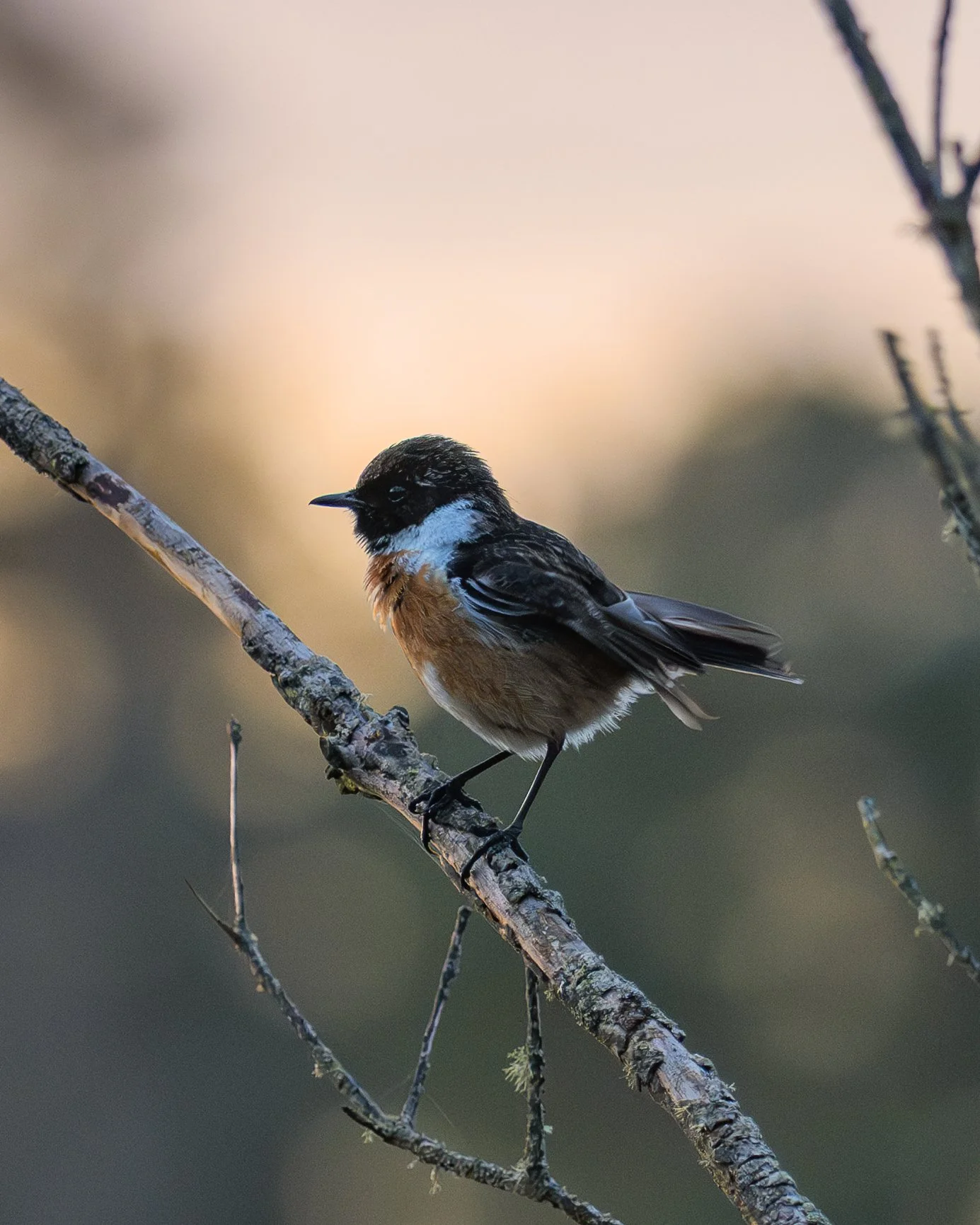
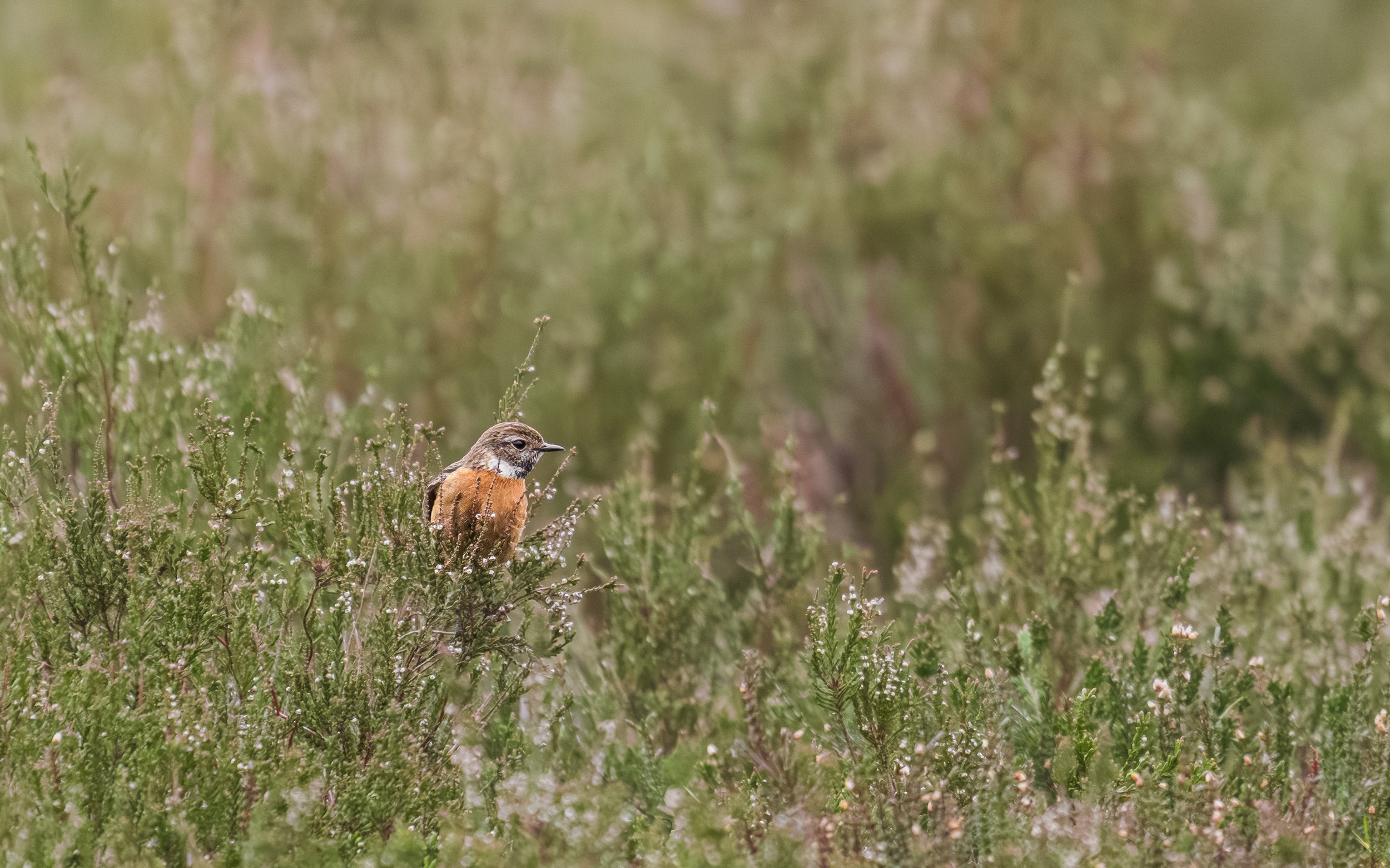
Stonechat male at sunrise
A 5am start saw me arriving at Thursley Common just in time for sunrise.
For a few brief moments, it looked as though the early start was going to be rewarded. The sky burst into colour, casting a beautiful glow across the heathland and creating the kind of conditions every photographer hopes for. Unfortunately, it was short-lived. Within ten minutes, the clouds had closed in and the rain returned. Drizzle, grey skies, and flat light quickly replaced the sunrise spectacle.
To be honest, that seems to be a recurring theme whenever I visit Thursley Common. Thinking back, I’m not sure I’ve ever been there without at least some rain. Whether it's bad luck or just unfortunate timing on my part, the reserve always seems determined to greet me with wet weather.
The first bird to catch my attention was a stonechat, perched neatly against the backdrop of the waking heath. With what remained of the early light behind it, it provided a welcome photographic opportunity and a positive start to the morning. Over the next few hours, I encountered several more, each offering a few chances for photographs and reminding me why they are such charismatic little birds.
As enjoyable as those encounters were, I had to keep reminding myself why I had made the journey.
I wasn’t there for the stonechats.
I was there for the Dartford Warbler.
Staying Open to What the Reserve Gives You
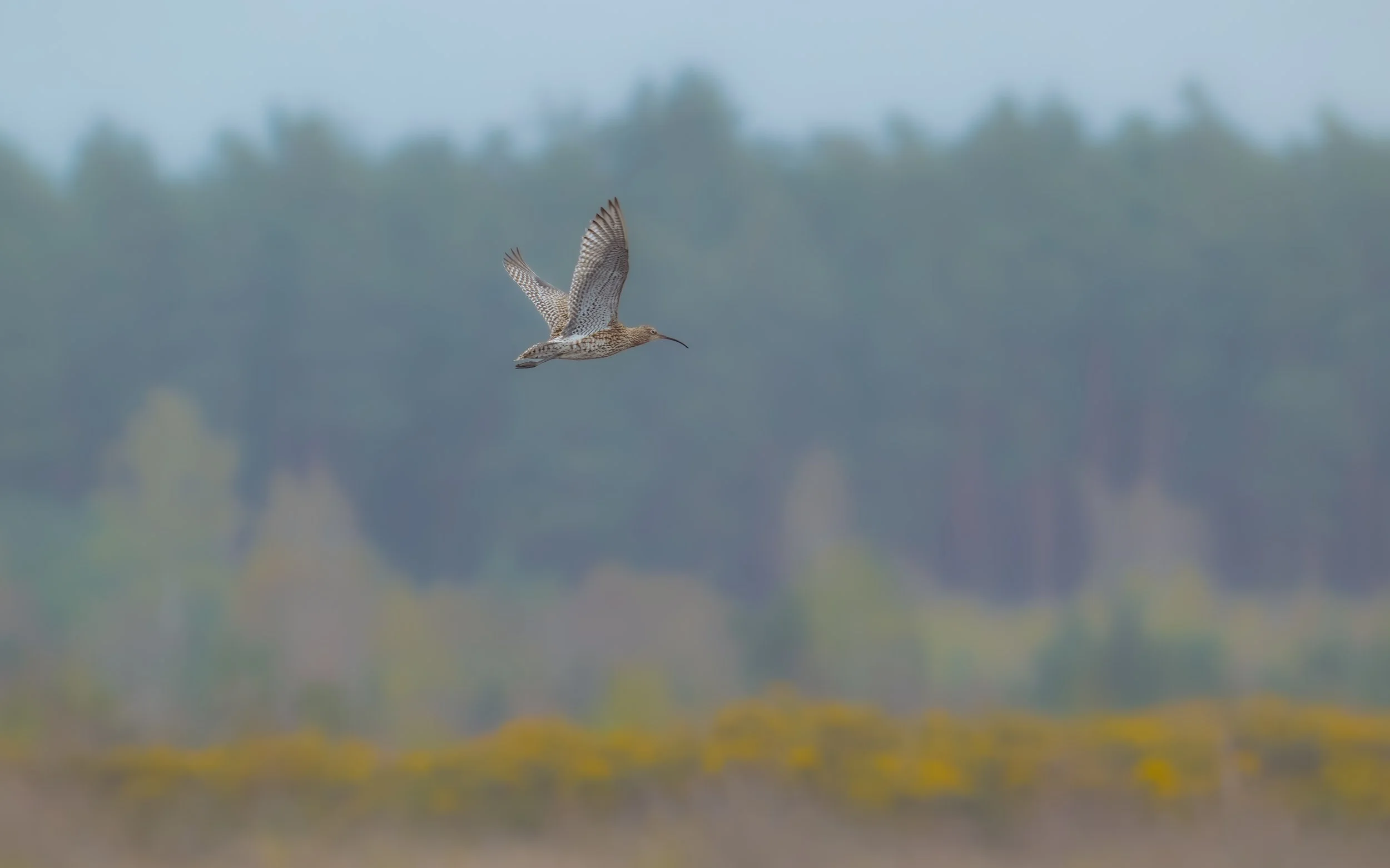
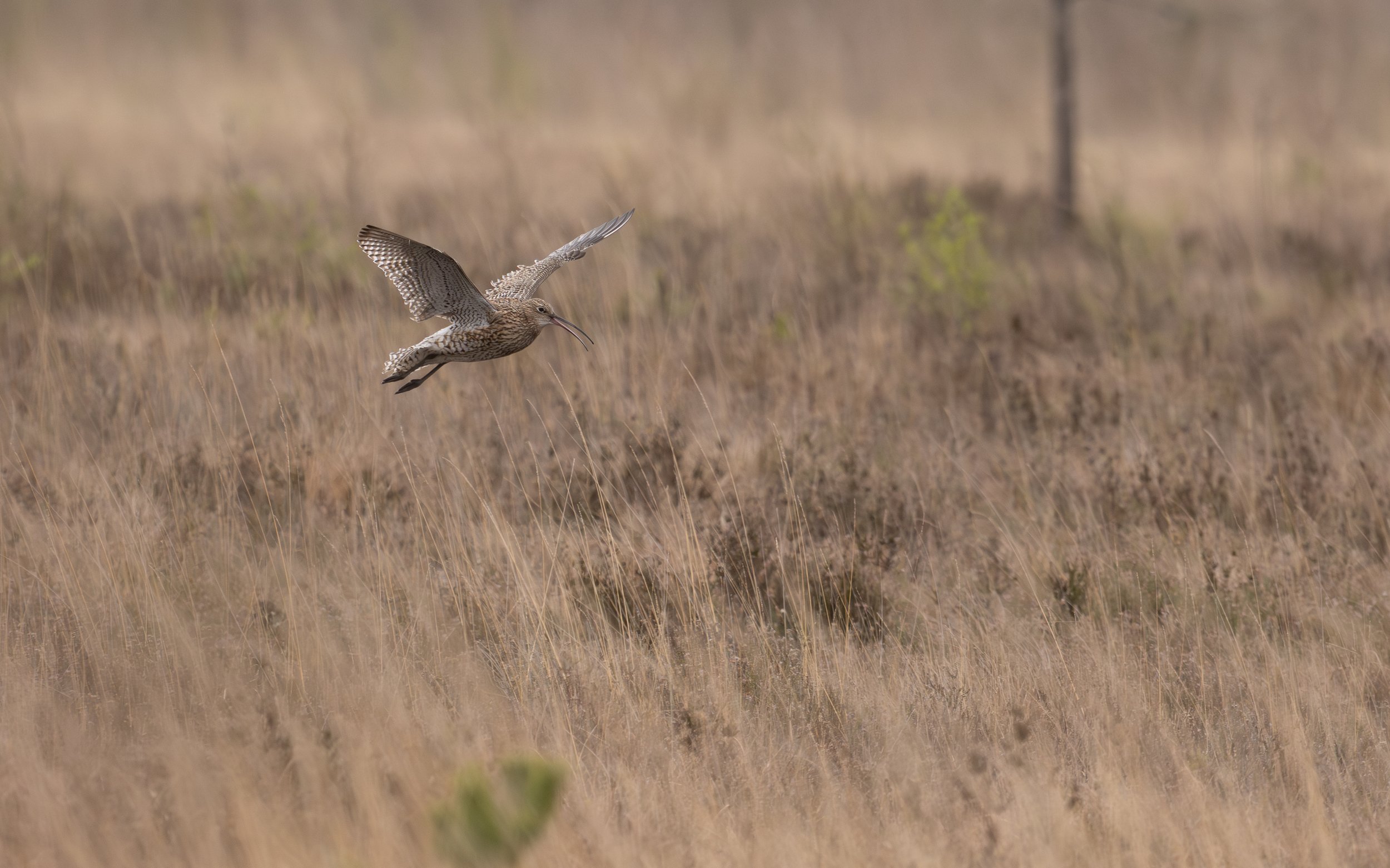
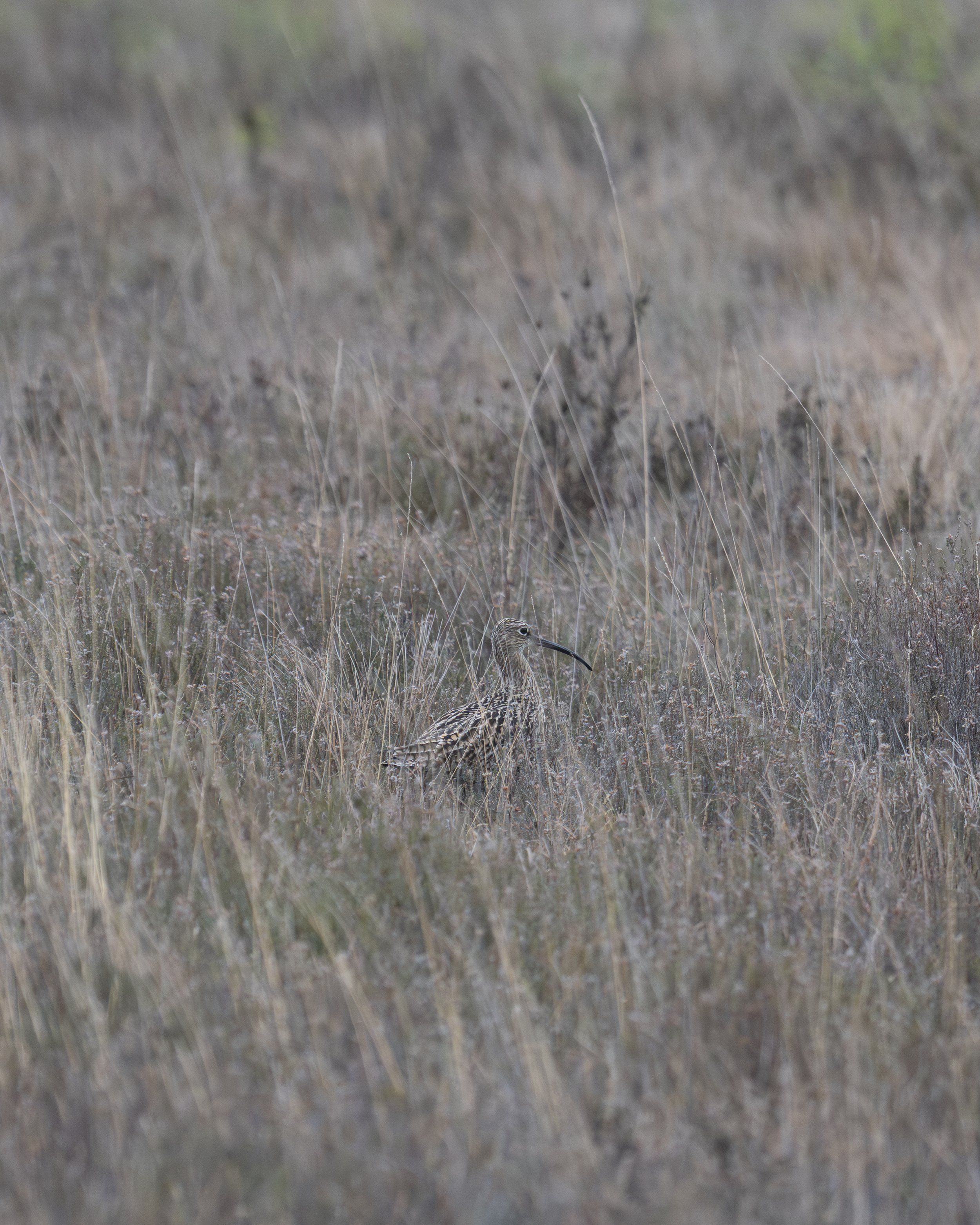
A displaying Curlew
With no sign of the Dartford Warbler in any of its usual haunts, I decided it was time to change tactics. Rather than waiting in the same spots and hoping for a sighting, I started moving around the reserve, exploring areas I’d previously walked past without much thought. The rain was still falling, but there was little point letting that stop me.
I wandered along the boardwalks at a slower pace, taking in the sights and sounds around me. Before long, a curlew caught my attention. It was displaying high above the heath, its unmistakable call carrying across the landscape as it flew. Full of energy and impossible to miss, it was putting on quite a show.
Then it landed.
Almost instantly, it disappeared.
For such a large bird, the camouflage is remarkable. Once settled amongst the vegetation, it blended into the heathland so effectively that I would have struggled to find it again had I not watched exactly where it came down. Even then, it took a few moments to pick it out. I managed to grab a few photographs that really highlight just how well adapted curlews are to their environment. Had it not been for its constant calling, I doubt I would have spotted it at all.
By this point, I’d abandoned my usual route around the reserve and was simply following whatever caught my interest. The goal of the day hadn’t changed—I was still hoping to find that Dartford Warbler—but my approach certainly had.
Sometimes, rather than forcing a plan, it pays to see what the reserve is willing to give you. Often, those unexpected moments become the ones you remember most.
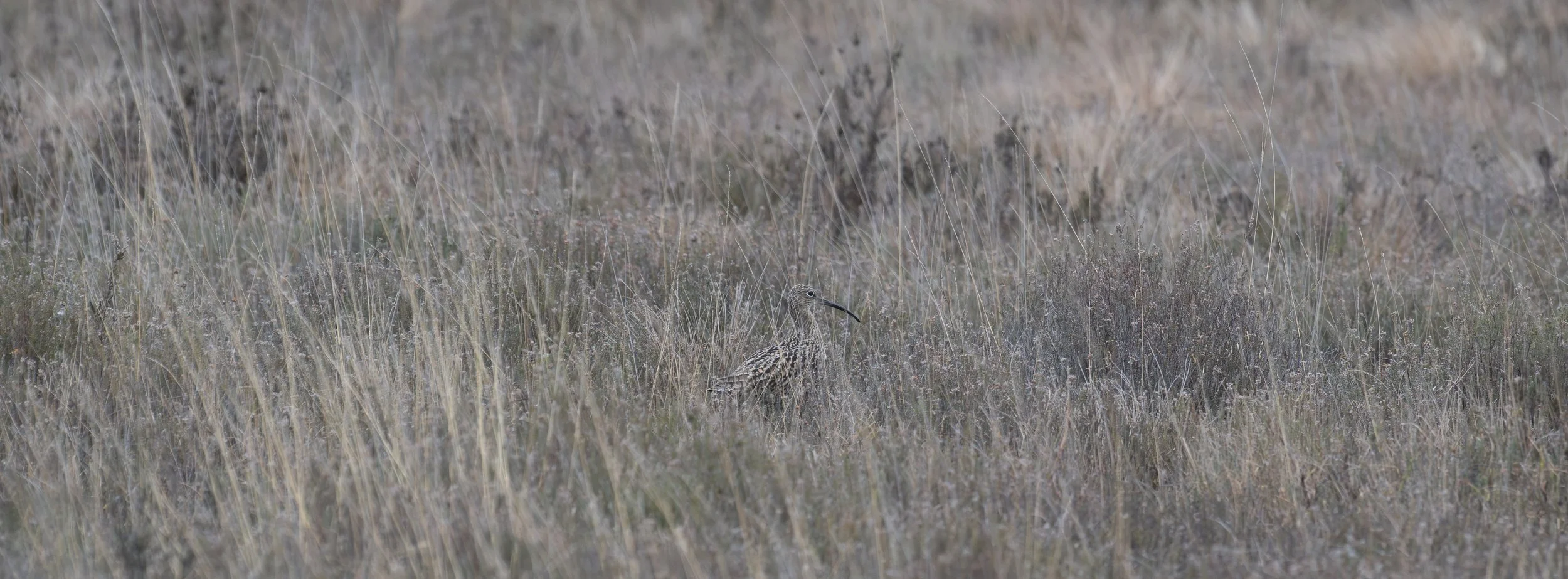
Master of camouflage - Curlew in heathland
A Different Perspective
As I continued exploring, I eventually found myself standing at the highest point on the reserve—a spot I’d somehow never visited before despite several previous trips. It’s not particularly high, but it offers a completely different perspective on the landscape.
Looking out across the heath, I was struck by just how vast the reserve really is. From the paths and boardwalks, it’s easy to feel as though you’re covering a lot of ground, but from above you quickly realise how small a footprint we visitors actually have. The wildlife here has an enormous amount of space compared to the narrow routes we're allowed to follow.
And that's exactly how it should be.
With so many ground-nesting birds relying on the heathland, protecting those undisturbed areas is essential. It’s a reminder that we’re guests in these places, and the restrictions are there for a very good reason.
As I stood taking in the view, the heavens opened once again. By that point, though, I’d stopped caring. I was already soaked, the camera gear was damp, and there wasn’t much point worrying about it. Wildlife doesn’t get to choose when the weather is good, and if I want to photograph wildlife, I need to be willing to head out in whatever conditions nature decides to provide.
In many ways, I actually enjoy photographing in wet weather. Rain, mist, and dark skies can add atmosphere and texture that simply isn’t there on a perfect sunny day. I’ve always believed that great photographs can be found almost anywhere and in almost any conditions—you just have to be prepared to look a little harder, adapt to the circumstances, or change your perspective. Standing on that hill in the pouring rain, it felt like a fitting reminder of that.
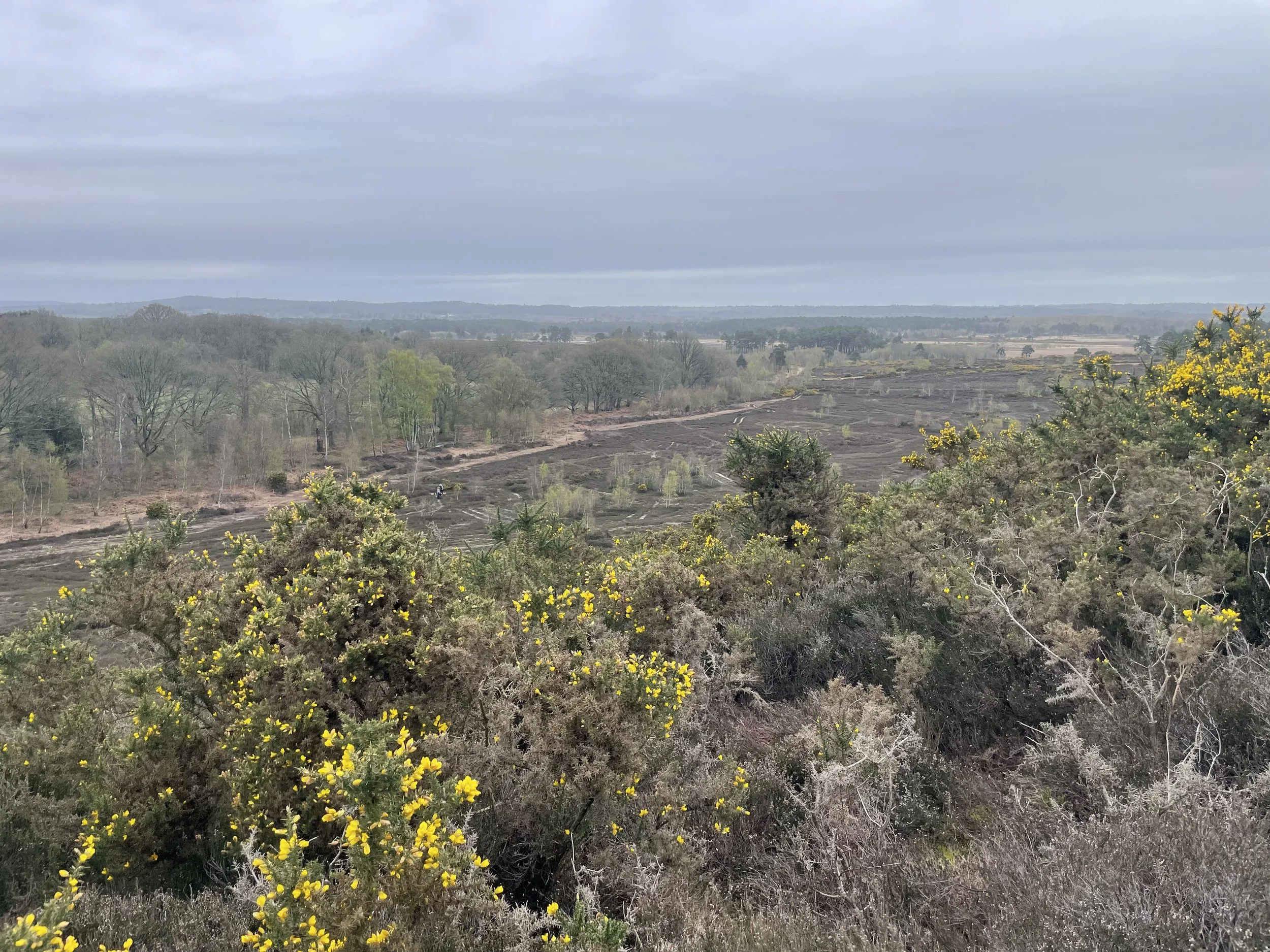
#iPhone - a view of Thursley from the highest point on the reserve, a vast space for wildlife
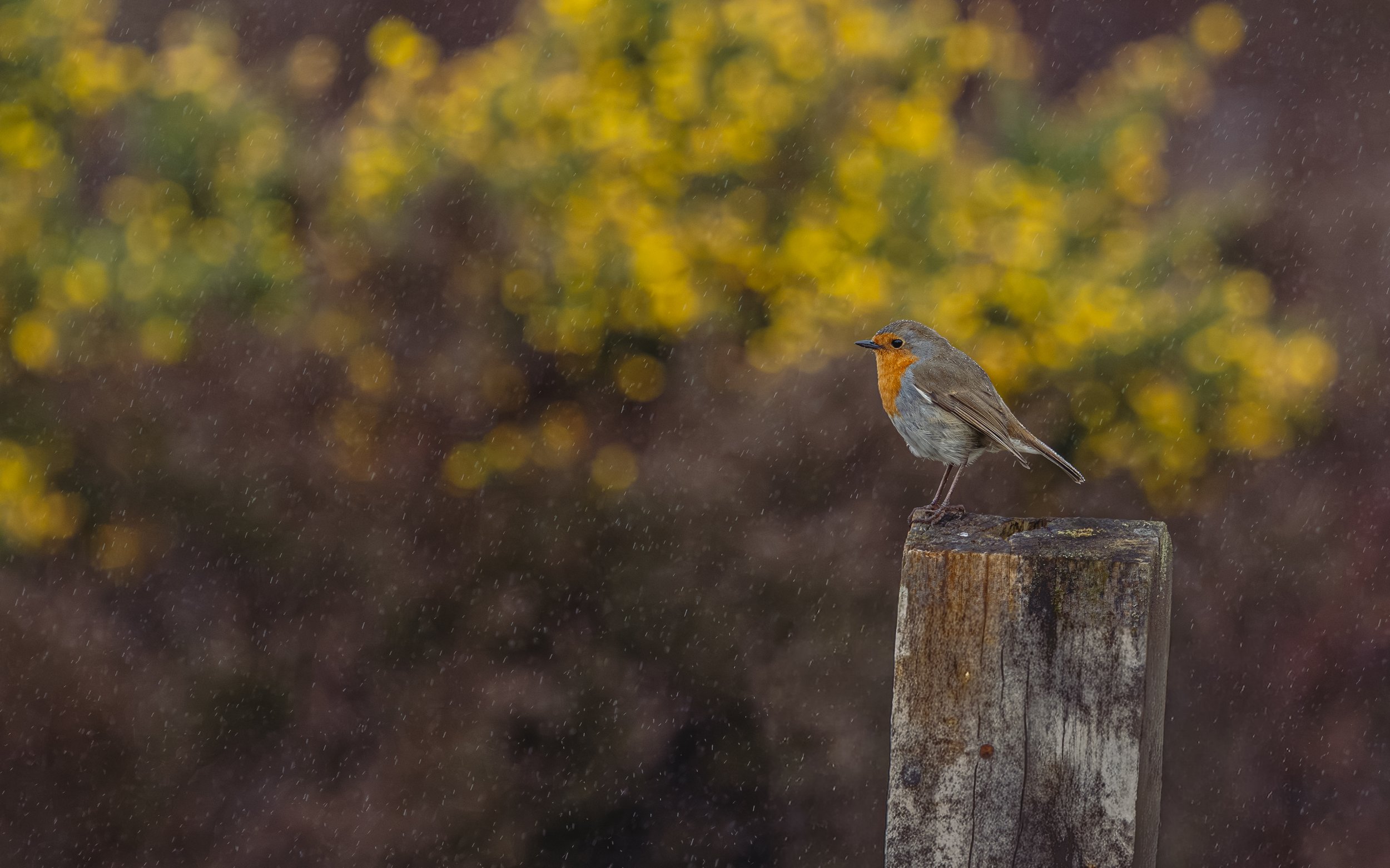
A Robin in the pouring rain
The Moment I Had Been Waiting For
As I made my way back down from the viewpoint, I finally heard it.
The unmistakable call of a Dartford Warbler carried across the heath from a distant patch of gorse. Instantly, my attention shifted. This was the moment I’d come for.
What made it even more exciting was that the scene looked remarkably similar to the image I’d been picturing in my head before the trip. A Dartford Warbler perched amongst the gorse, exactly where you’d expect to find one. The only difference was the weather. Every reference image I’d seen of this species seemed to have been taken in glorious sunshine, with warm golden light illuminating the bird and the surrounding heath. Somewhere along the way, that had become the image I associated with Dartford Warblers.
Instead, I was standing in the drizzle.
I could hear the bird clearly, but I couldn’t quite work out where it was. Then another call caught my attention—one I didn’t recognise. Out came the Merlin app, which quickly identified the mystery caller as a redpoll. In fact, there seemed to be several of them nearby.
With two species now holding my attention, I decided there was only one thing to do.
I sat down on the path, pulled my hood up against the rain, and waited.
The redpolls remained hidden, refusing to show themselves despite all the calling. But then the Dartford Warbler called again.
And suddenly, there it was.
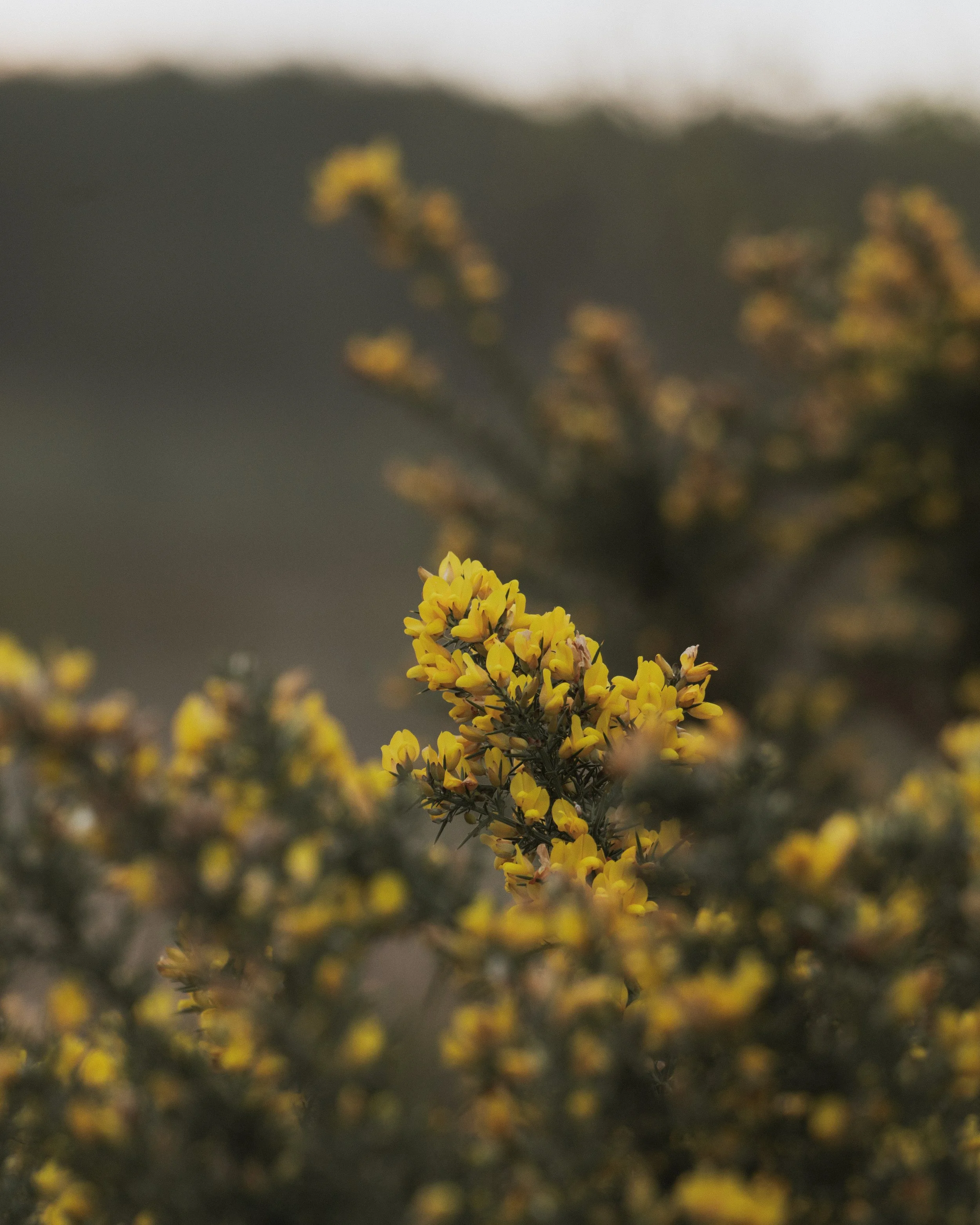
Out in the open, perched on the gorse no more than ten feet from where I was sitting on the ground.
Whether it had come over to investigate me or whether I simply got lucky, I’ll never know. Either way, it was one of those moments that wildlife photographers dream about—when everything unexpectedly falls into place.
This time, though, I was ready.
While sitting and waiting, I’d already dialled in my camera settings. It’s a lesson I’ve learned the hard way over the years. On more than one occasion, I’ve had time to prepare but chosen not to, whether through inexperience, distraction, or simply becoming too focused on the excitement of the encounter itself. More often than not, those are the moments you regret afterwards.
Not this time.
When the warbler appeared, all I had to do was raise the camera and press the shutter. A few frames later, the opportunity was gone almost as quickly as it had arrived.
But it didn't matter.
I knew straight away that I had captured some of my favourite environmental images of a Dartford Warbler to date. The rain-soaked heath, the gorse, and the muted tones of the morning told a much more authentic story than the sunshine-filled image I had originally imagined. In the end, the conditions I thought I didn't want had given me exactly the photographs I needed.
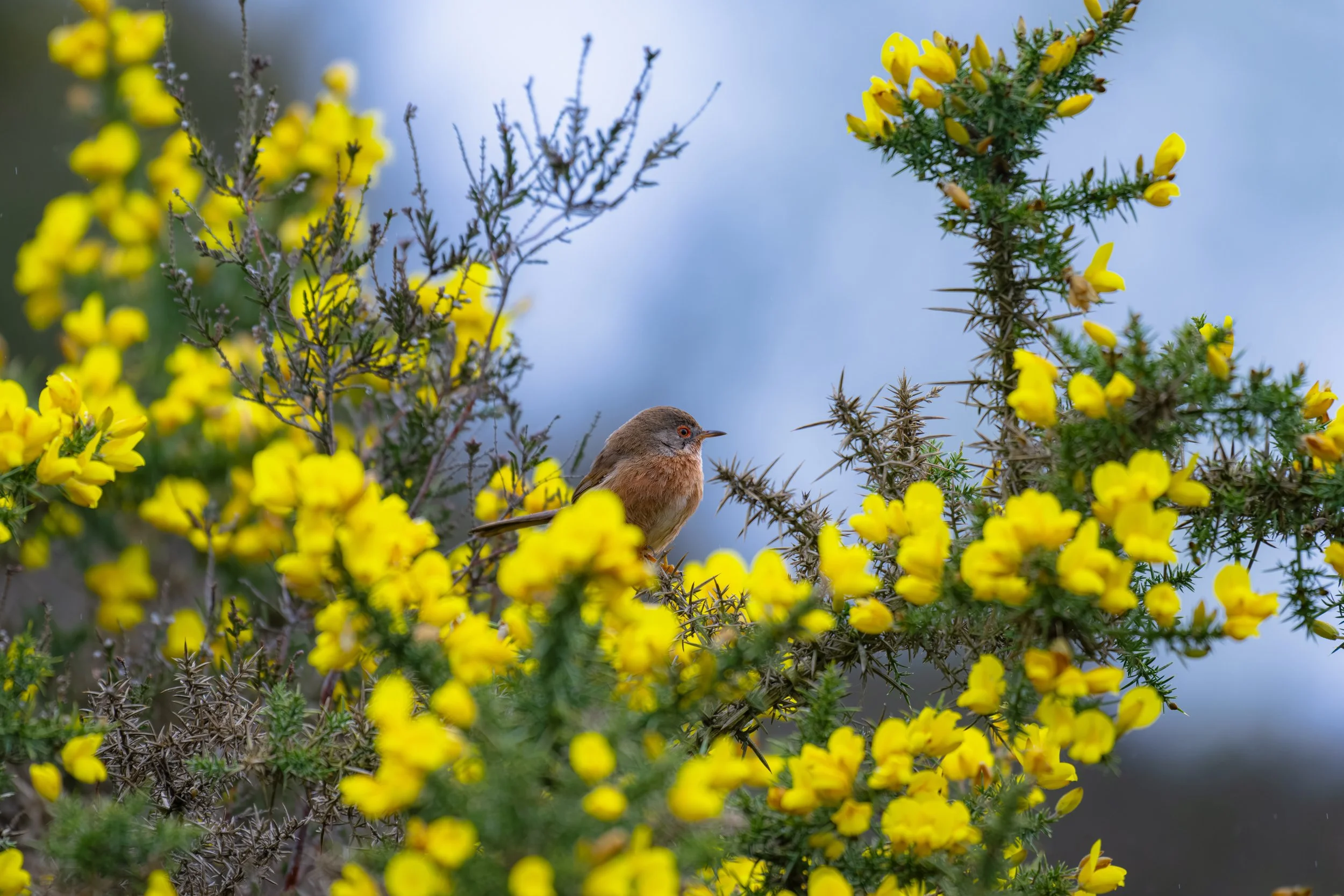
Dartford Warbler amongst the gorse
When the Pressure Drops
Something changed after that Dartford Warbler encounter.
I don’t know if other photographers experience the same thing, but once you’ve captured the image you came for, the whole mood of the day shifts. The pressure disappears. You're no longer chasing a result or worrying about whether the trip will be successful. Everything feels a little lighter.
That was certainly the case for me. Maybe I put too much pressure on myself sometimes. Regardless of the pressure I still enjoy myself and that’s what counts.
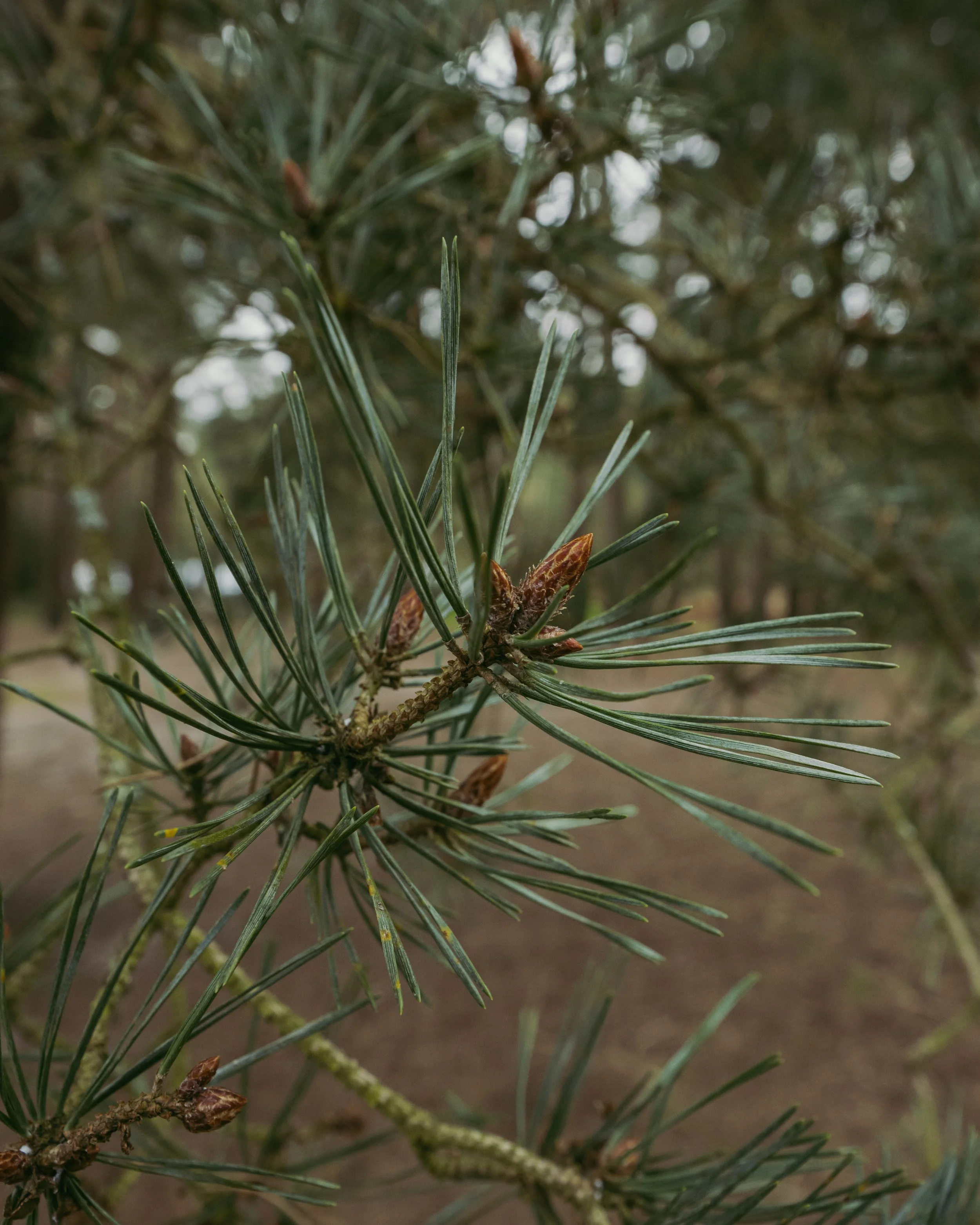
With the warbler photographs safely on the memory card, I continued my walk around the reserve, following the paths towards the far edge of the heath. Tucked away there is a beautiful pine woodland that I always enjoy visiting. If you ever find yourself at Thursley Common, I’d highly recommend taking the time to wander through it. The contrast between the open heathland and the towering pines makes it feel like a completely different reserve.
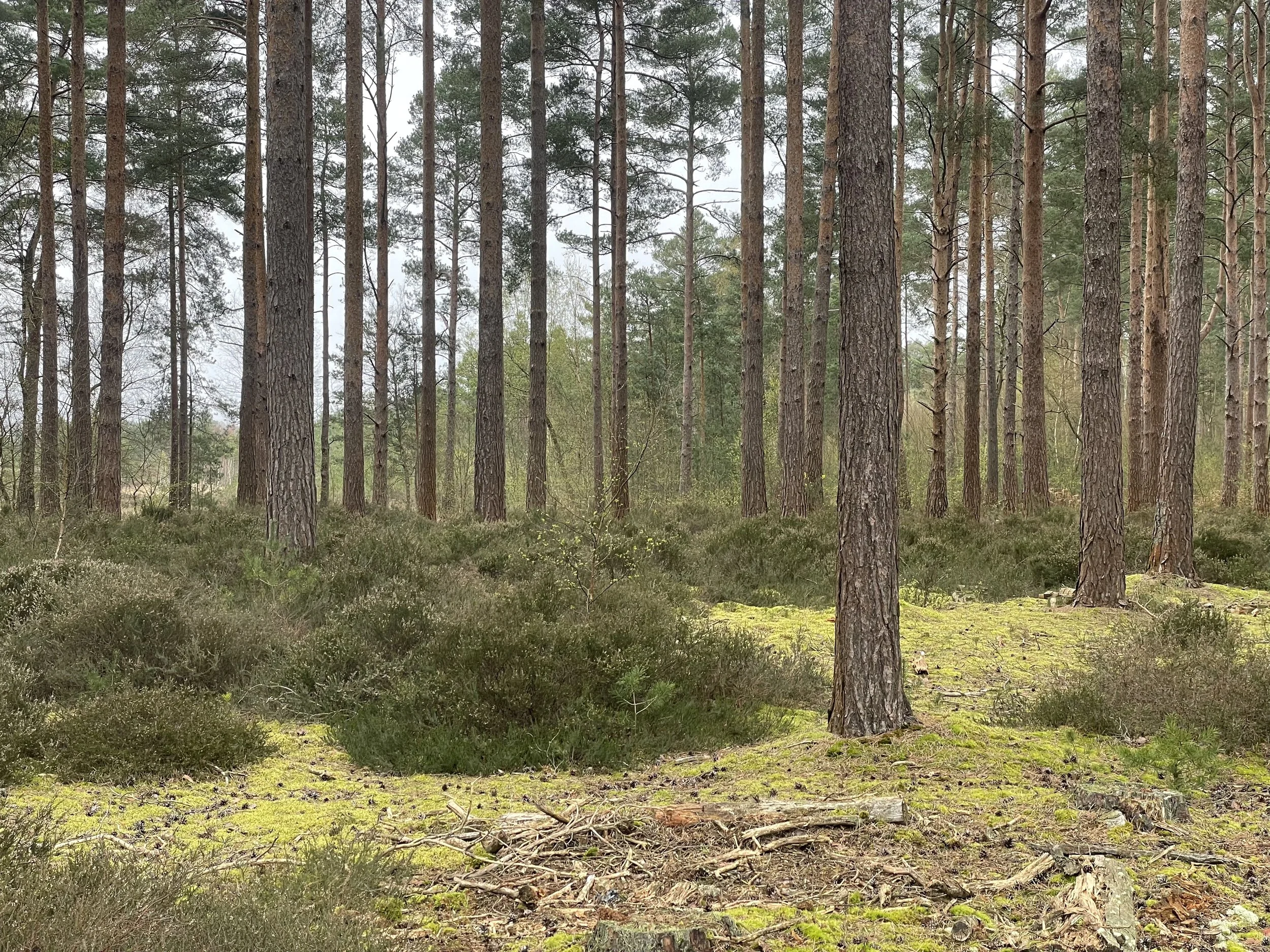
iPhone shot of the woodland
The woodland area has treated me well on previous visits, and this trip proved no different.
As I approached the trees, I found the redpolls again. There must have been around twenty of them feeding high in the canopy, their calls carrying down through the branches. Unfortunately, they remained right at the tops of the trees, far beyond any realistic photographic opportunity.
Normally that might have been frustrating, but not this time.
I was simply pleased to be watching them. Better still, they represented a new species for me—a life tick that I certainly hadn’t expected when I set out that morning.
While I stood watching the flock, another familiar sound drifted through the woodland.
A Green Woodpecker.
My nemesis bird.
Over the years, I’ve heard far more Green Woodpeckers than I’ve ever photographed. They seem to have an incredible ability to appear briefly and vanish again before I can even think about raising the camera. True to form, the call echoed through the trees and then fell silent.
Gone, I assumed, before I'd had any chance of a photograph.
Or so I thought.
With the redpolls still nearby and the woodpecker somewhere in the area, I decided to sit beneath a tree and be patient. A few dog walkers were making their way along the path, so I figured it made sense to wait for things to settle down. If there’s one thing wildlife photography has taught me, it’s that animals often return surprisingly quickly once a little peace and quiet returns.
This decision paid off almost immediately.
Without warning, a Green Woodpecker launched itself from a nearby tree.
The truth is, I hadn’t even realised it was there.
One moment I was sitting quietly, the next a flash of green exploded across my field of view. Instinct took over. I swung the camera up and started shooting before it had even reached my eye. There was no time to compose, no time to think, and certainly no time to track it properly through the viewfinder.
The bird was moving at what felt like missile speed.
Whoosh.
And it was gone.
Certain I had missed every frame, I lowered the camera and checked the rear screen.
Then I burst out laughing.
Against all odds, one of the images had actually worked. Not only had I photographed my nemesis bird, but I’d captured it in flight—a photograph I had absolutely no expectation of getting when I pressed the shutter. Sometimes the images you work hardest for never happen, while the ones you least expect end up becoming the stories you remember most.
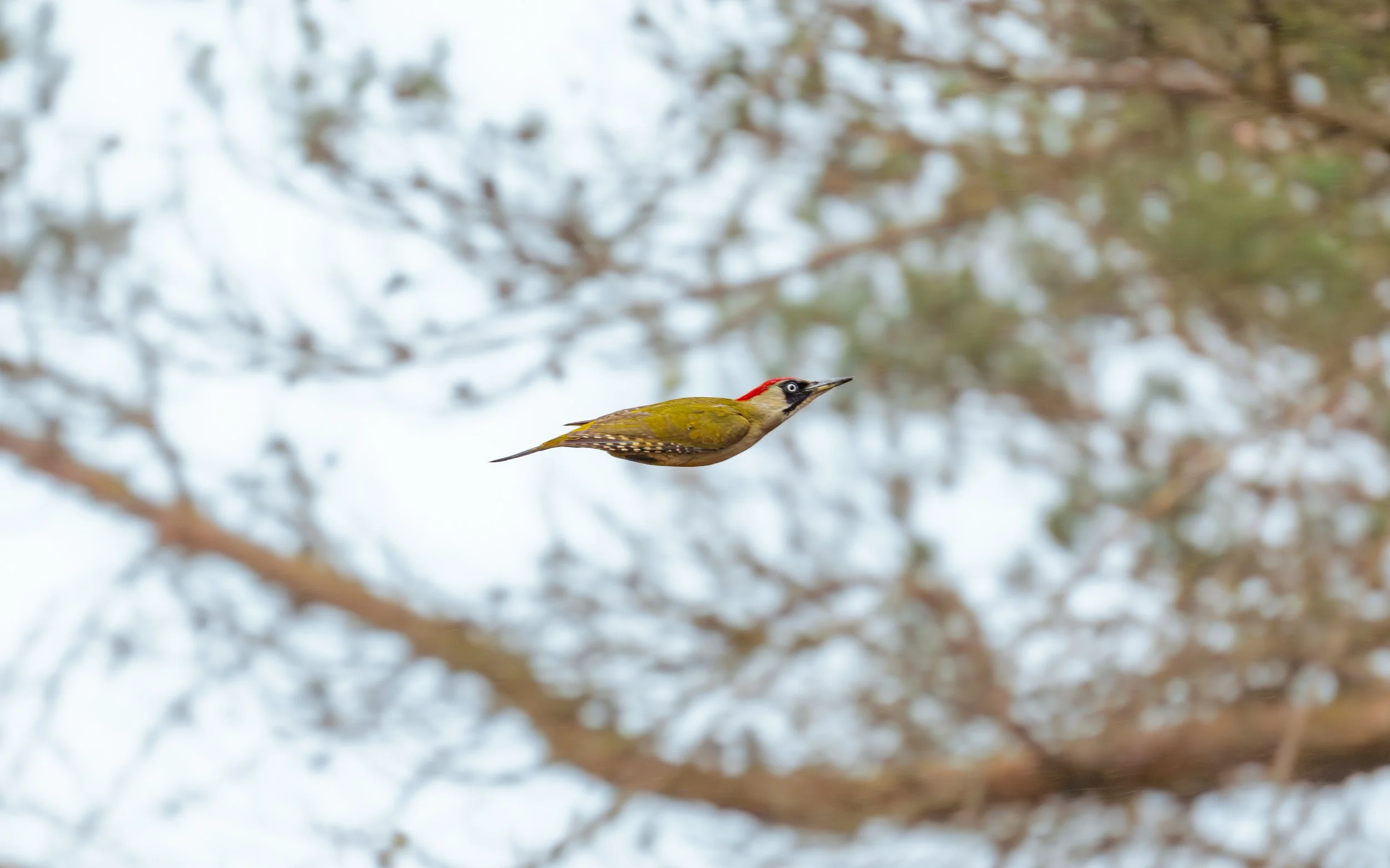
Green Woodpecker in flight
Heading Back… Or So I Thought
Immediately after the Green Woodpecker encounter, I decided it was probably time to call it a day.
Coffee was firmly on my mind by this point. I'd been up since 5am, it was now approaching 11am, and I still hadn't had either breakfast or a hot drink. That tends to be my usual approach on photography trips—wildlife first, food and drink later. Whether that's sensible is another question entirely.
With the Dartford Warbler photographs secured and a Green Woodpecker finally ticked off, I felt more than satisfied with how the morning had gone.
But wildlife had other ideas.
As I made my way back along the boardwalks for one final look around the reserve, movement high in one of the conifers caught my eye. Pine tree? Fir tree? I'm still not entirely sure. What I was sure about, however, was the bird sitting at the top.
A Crossbill.
Another lifer.
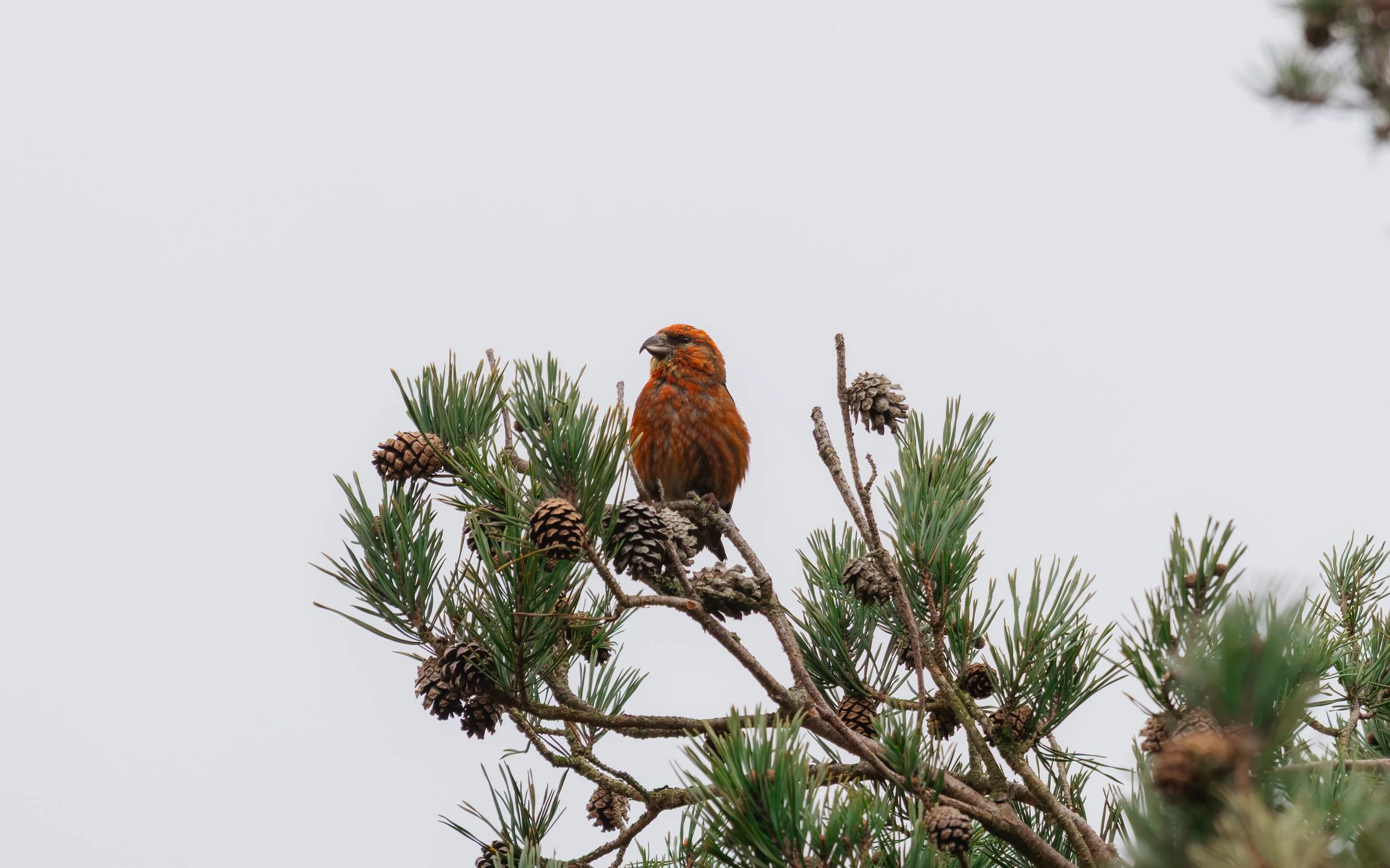
Crossbill
At this point, I genuinely started wondering what on earth was going on.
The bird wasn't making life easy. It was feeding high in the canopy, partially hidden by branches, and rarely staying still for more than a few seconds at a time. Photographing it was always going to be a challenge, but sometimes you simply take the opportunity you're given. After a bit of patience, I managed a few photographs that I was pleased with.
Just like that, another species added to the life list.
Two lifers in a single morning.
No complaints from me.
In fact, it felt like an unbelievable start to the year from a wildlife perspective. Days like this don't come along very often.
At that point, I continued towards Moat Pond car park, convinced that this really was the end of the trip. Looking back, choosing the boardwalk route home turned out to be one of the best decisions of the day.
Not far along the path, another photographer pointed out a Dartford Warbler collecting nesting material close to the boardwalk. Nearby, several stonechats were also busy feeding and moving through the gorse.
That was all the encouragement I needed to stay a little longer.
The next thirty minutes seemed to deliver one opportunity after another.
The Dartford Warbler showed itself repeatedly, offering far better views than I could have hoped for earlier in the day. The stonechats came surprisingly close, posing beautifully amongst the vegetation.
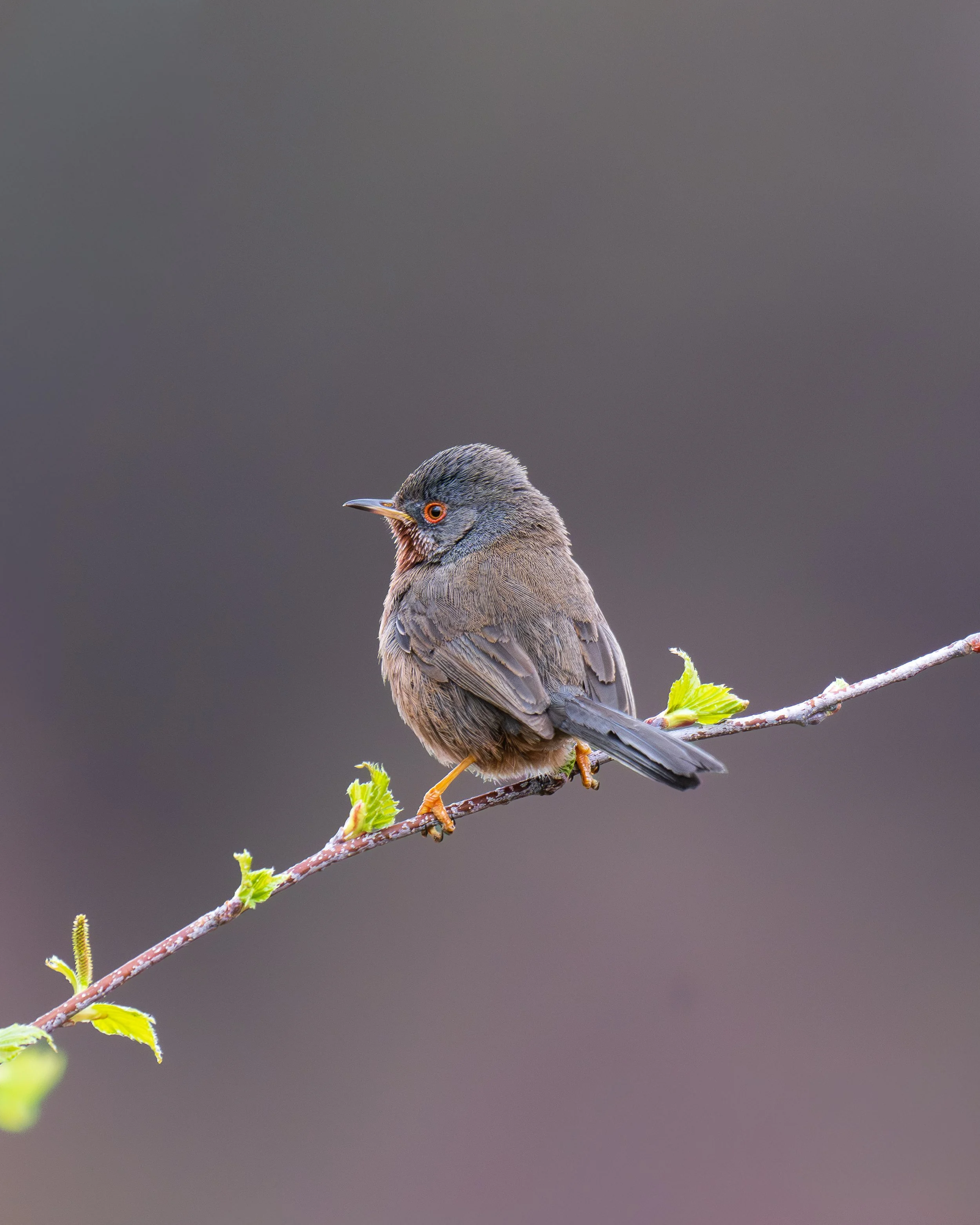
Dartford Warbler
Then, as if the morning hadn't already exceeded expectations, a wren appeared.
Not tucked away in a hedge.
Not hidden behind a branch.
Not disappearing into dense cover the moment I spotted it.
Out in the open.
Completely unobstructed.
Anyone who has spent time trying to photograph wrens will understand just how unusual that is. They seem to possess an endless supply of energy and an uncanny ability to remain hidden behind the one twig you don't want in the frame.
This one, however, gave me the perfect opportunity.
Without question, it resulted in the best photograph I've managed of a wren to date.
For someone who had been thinking about coffee and heading home less than an hour earlier, I was suddenly very glad I'd decided to linger just a little longer.
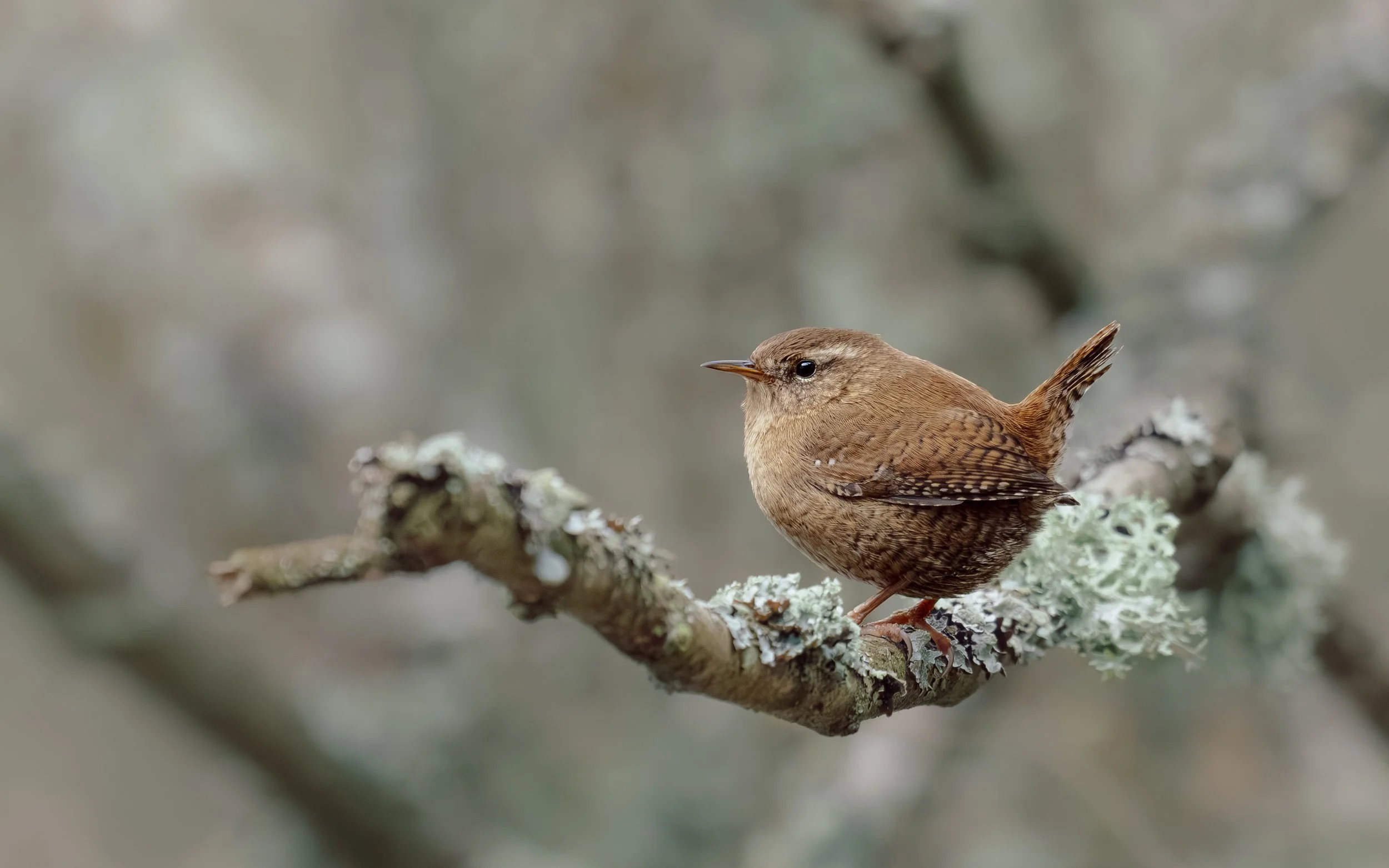
Wren
Exactly What I Needed
I walked back to the car feeling clear-headed and genuinely relaxed.
It was one of those days where everything just seems to fall into place—not in a perfect, carefully planned way, but in a way that just feels right. By the end of it, I knew it was easily one of my best wildlife photography days of the year so far.
On the way out, I made a stop at South Downs Coffee Co for a well-earned coffee and a sausage roll. Exactly what was needed to round the day off properly.
Sitting there, I realised just how much of a reset the whole trip had been. One very happy wildlife photographer, and all the stress that had been building up from work simply faded into the background.
It’s days like this that remind me why I do it. Get out into the wild, slow down, and see what’s there. More often than not, it’s one of the best medicines you can find.