Why Taking Fewer Photos Made Me a Better Photographer
I came home from a full day at Thursley Common having taken just 26 photographs. Not my normal 2,600!
Twenty-six!!!
And somehow, I came home with a higher percentage of keepers than I normally do.
That probably sounds backwards. As wildlife photographers, we're often obsessed with not missing the shot. Modern cameras can shoot at incredible frame rates and it's easy to come home with thousands of photographs after a day outdoors. My Nikon Z9 is certainly capable of it, and depending on the subject I'll often find myself shooting at 8, 10 or even 20 frames per second.
This challenge was about doing the exact opposite.
The idea actually started as a conversation with Andy Green, founder of The Wild Den. I suggested a challenge where we would switch our cameras to single-shot mode and limit ourselves to just 36 photographs, treating our memory cards as if they were a roll of film. Andy liked the idea and turned it into one of The Wild Den's challenge weekends.
What I expected was a fun experiment.
What I didn't expect was how much it would change the way I approached photography for the day.
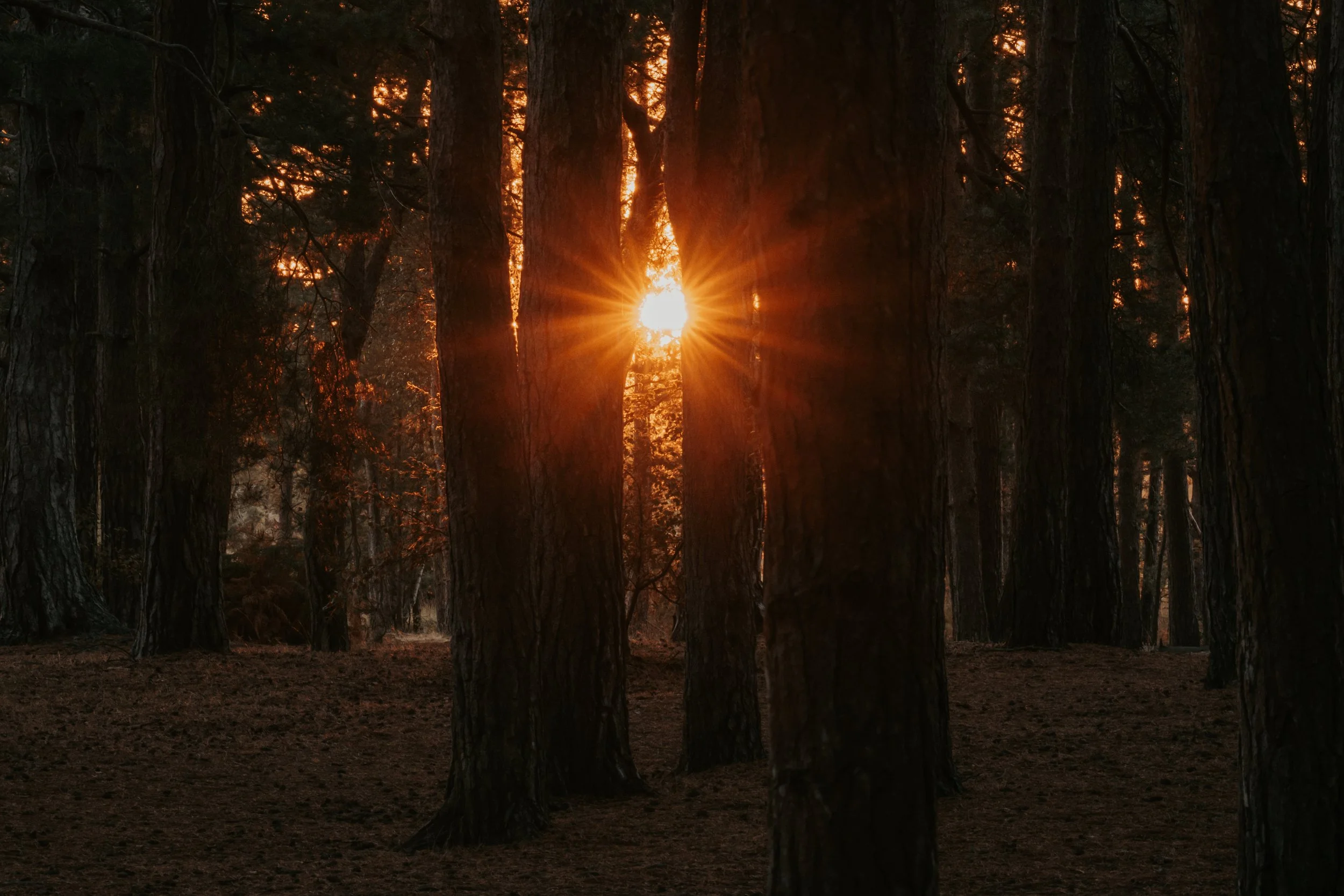
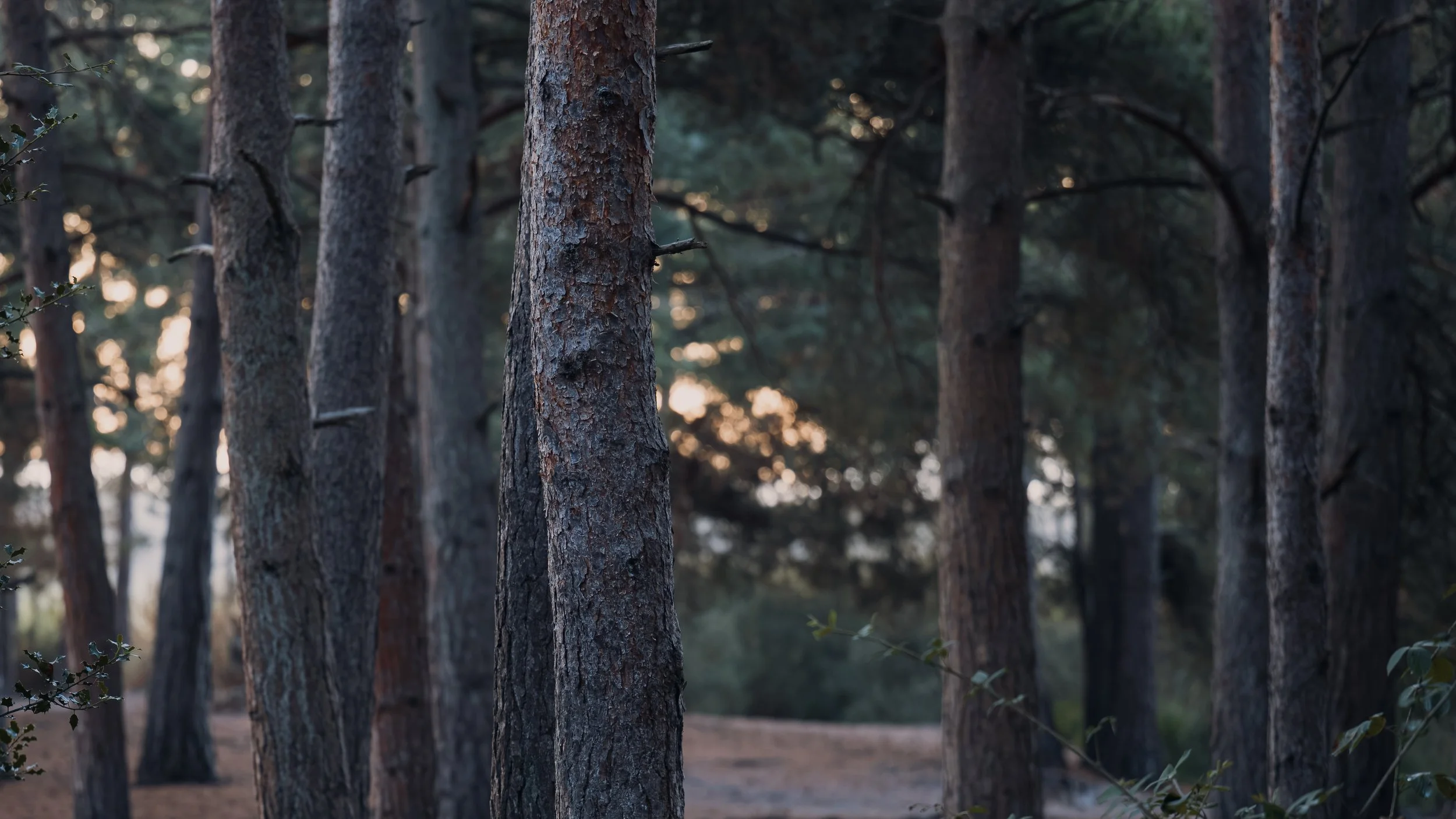
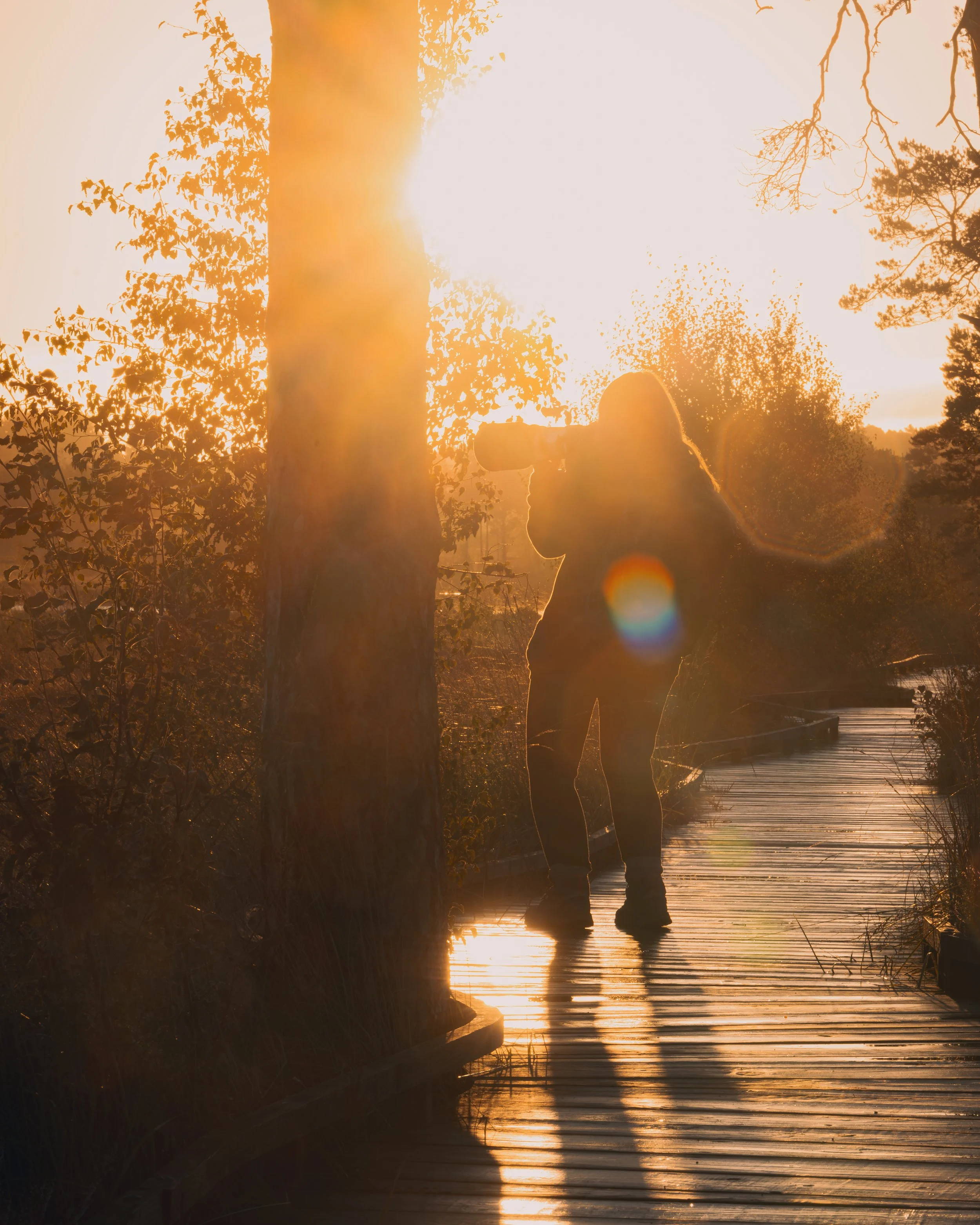
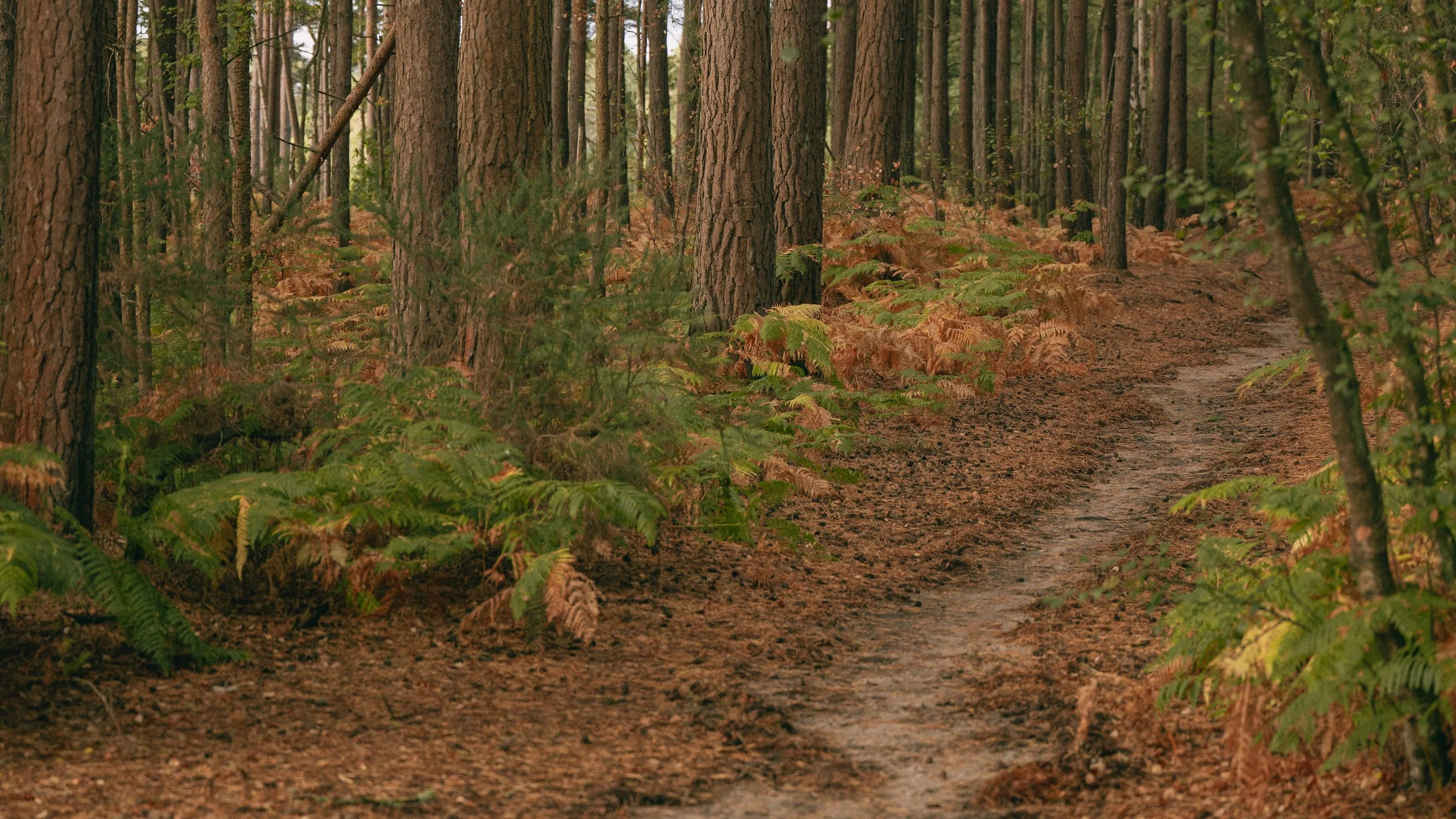
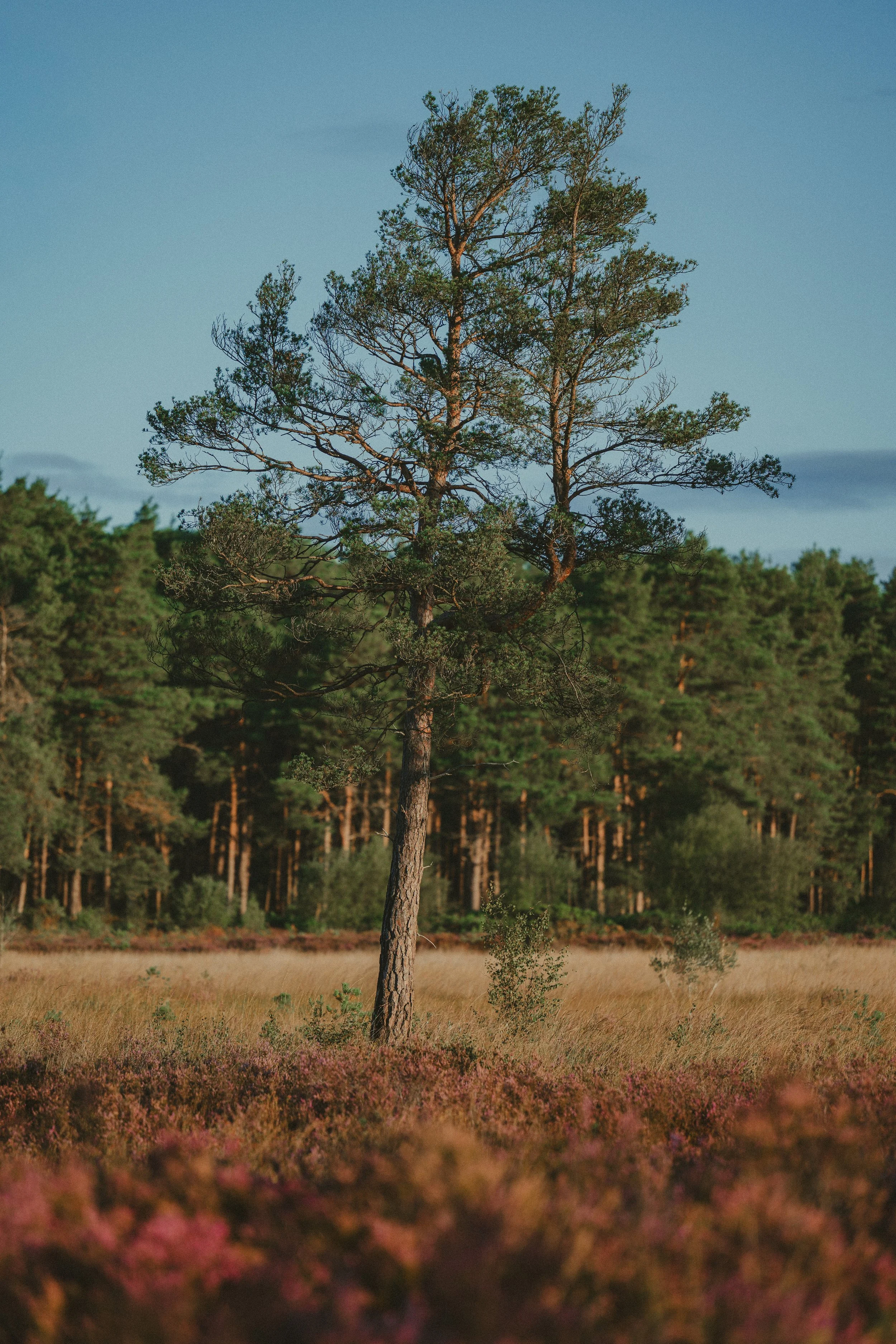
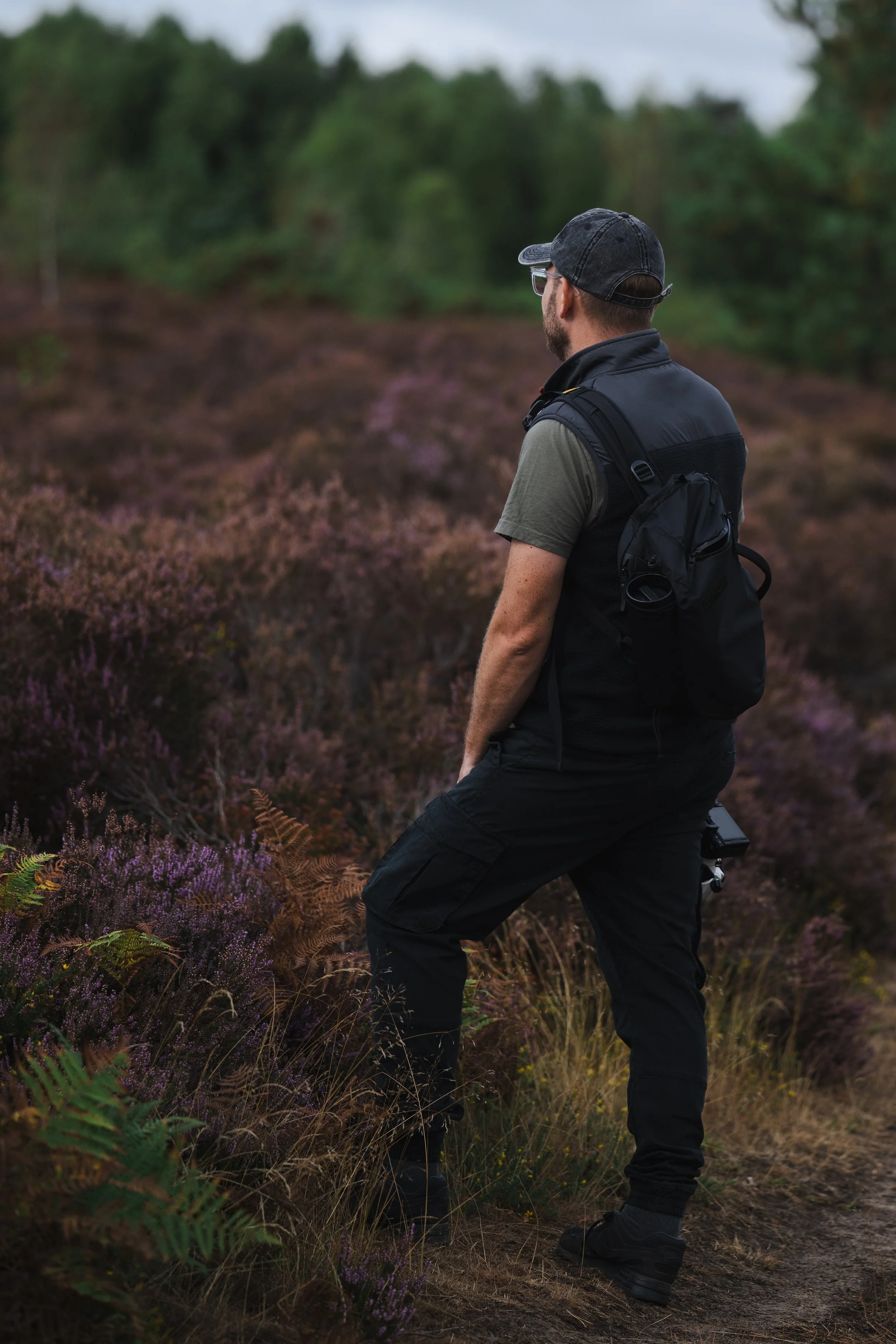
The challenge took place at Thursley Common, a beautiful landscape of heathland, pine forest and winding wooden boardwalks. Rather than feeling nervous about the restrictions, I was genuinely excited. I wanted to see what I would come back with when every frame mattered.
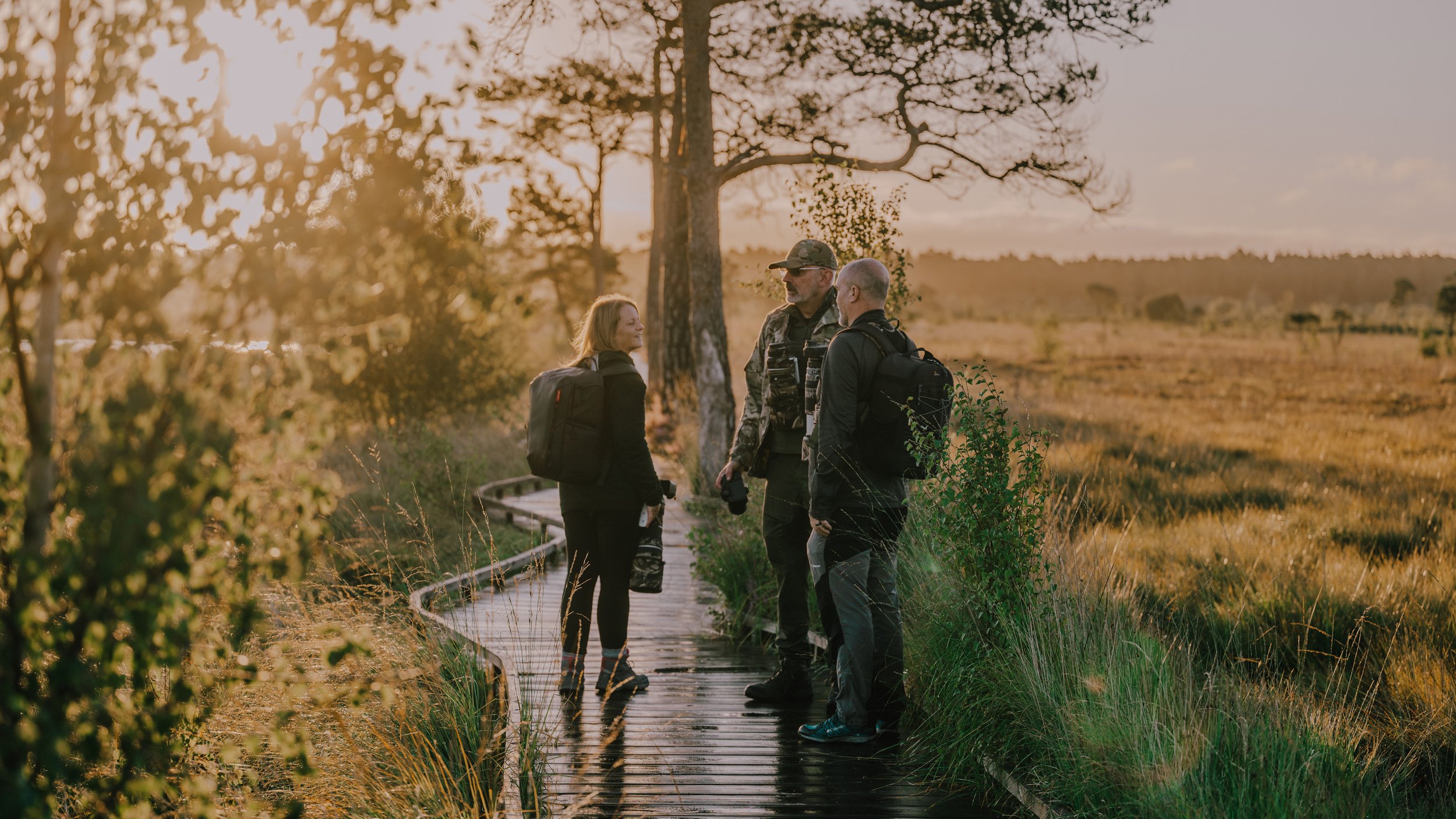
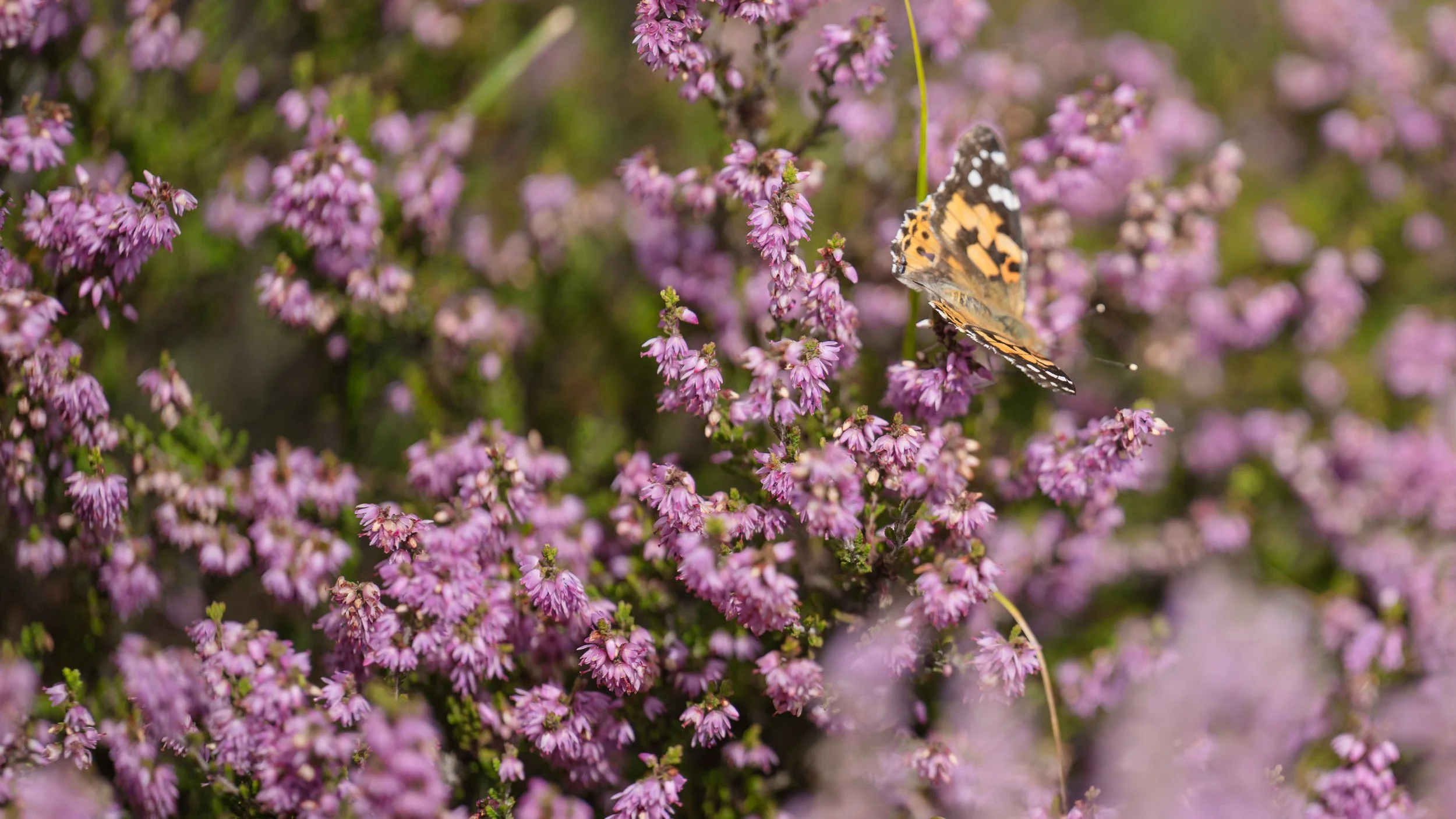
This is Thursley Common at it’s finest
Wildlife photography, particularly when you're photographing fast-moving birds, doesn't always lend itself to careful composition. It's easy to fall into the habit of taking a burst of images and sorting them out later. I know I've been guilty of that more than once.
This felt different.
I found myself looking far more than photographing. Spending more time observing the landscape, watching wildlife and thinking about whether a photograph was actually worth one of my remaining frames.
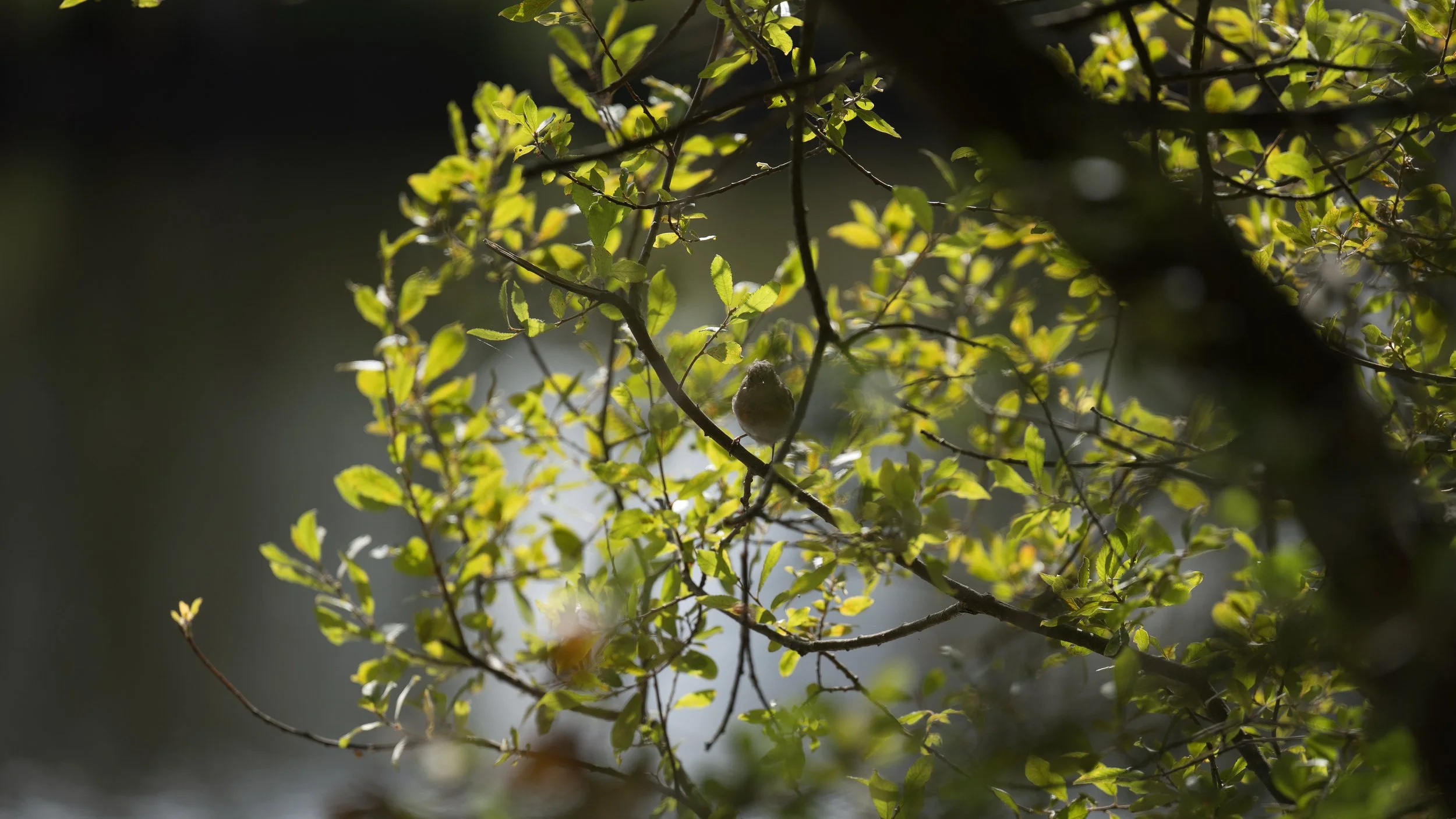
I've always enjoyed wandering with a camera and seeing what I can find. Don't get me wrong, I enjoy hide photography and waiting for a specific species to appear, but there is something incredibly rewarding about exploring a landscape, finding a hive of bird activity and capturing a photograph on a perch the bird has chosen itself rather than one that has been set up.
By the end of the day, I had my frames.
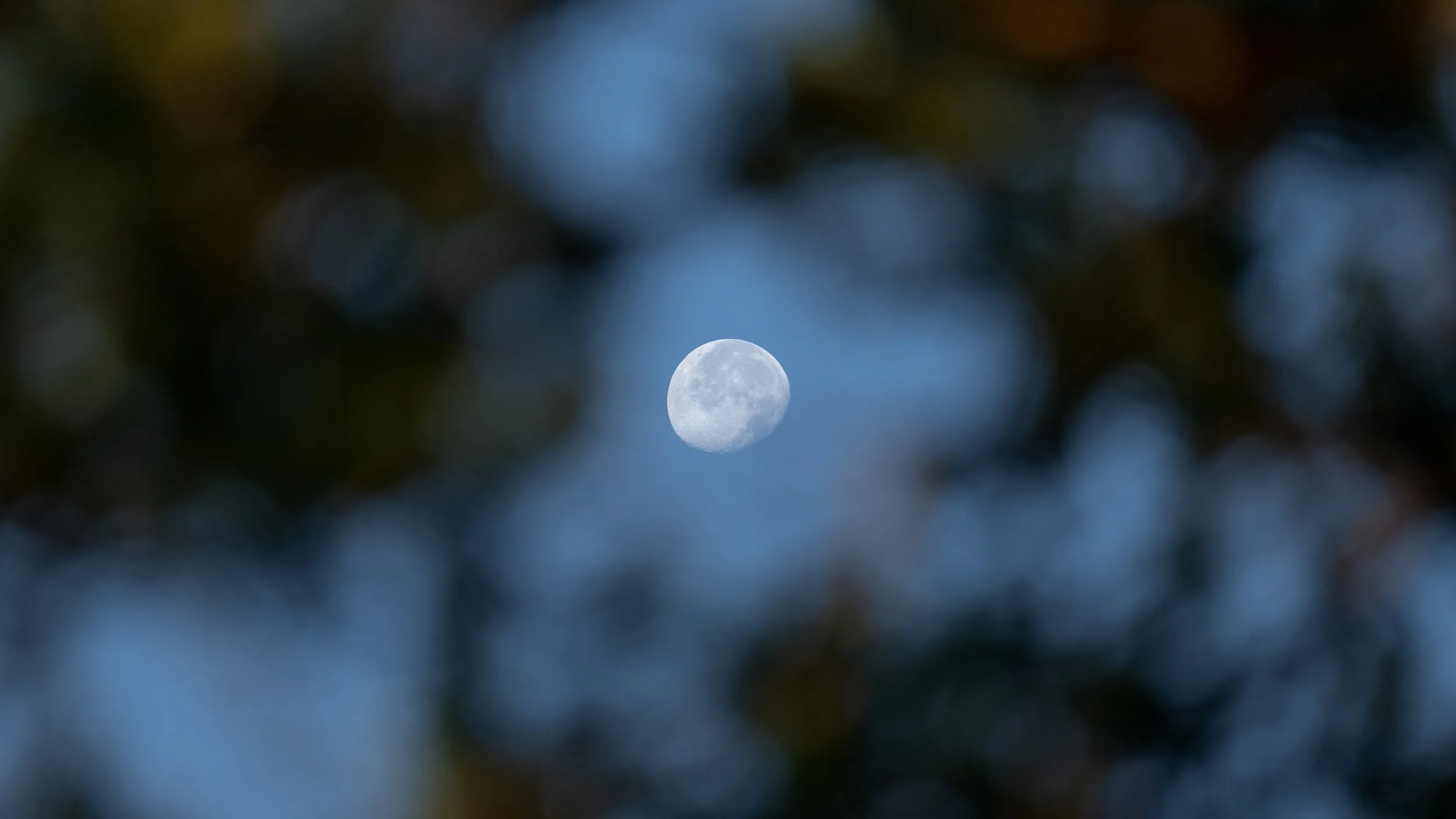
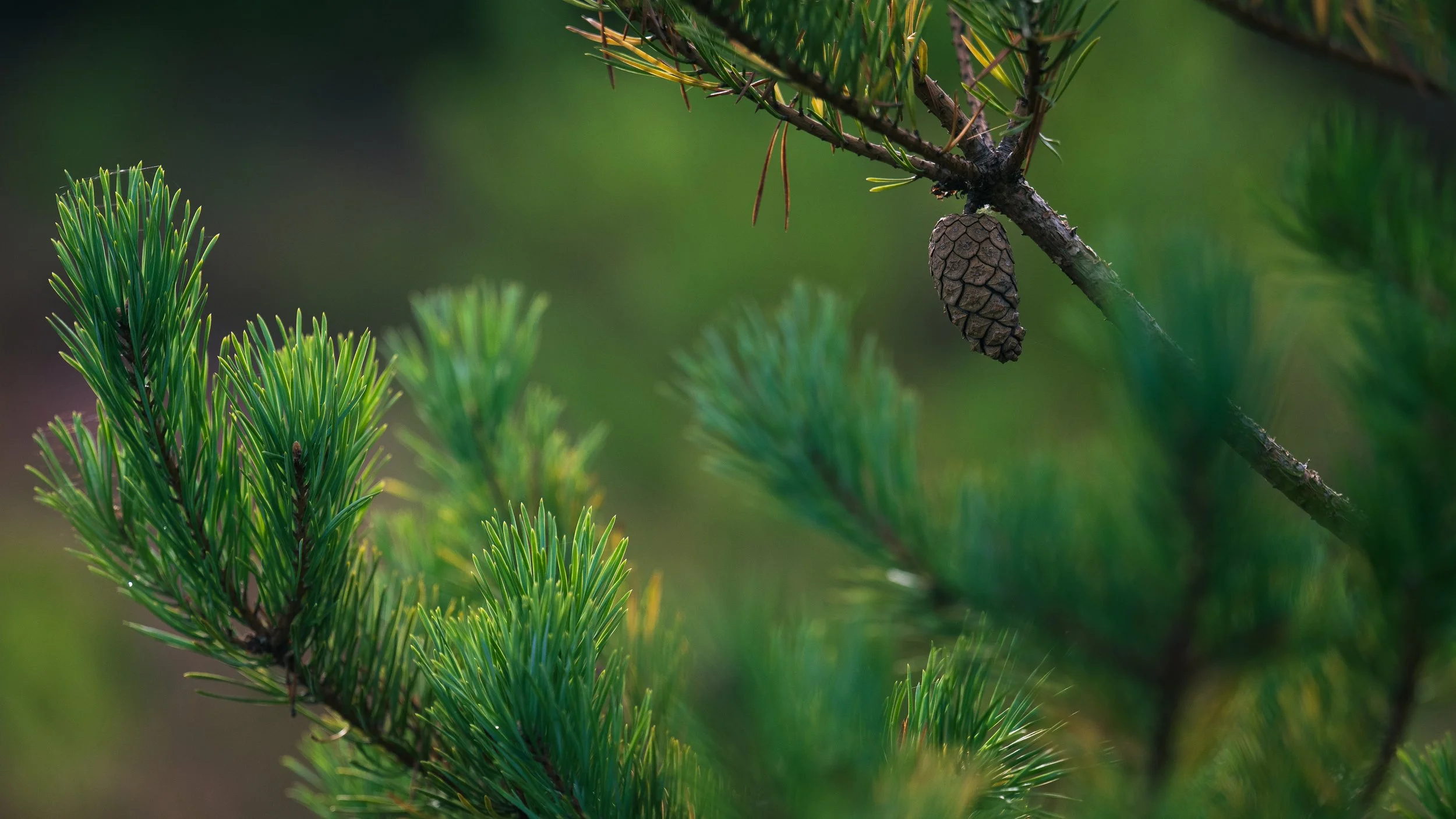
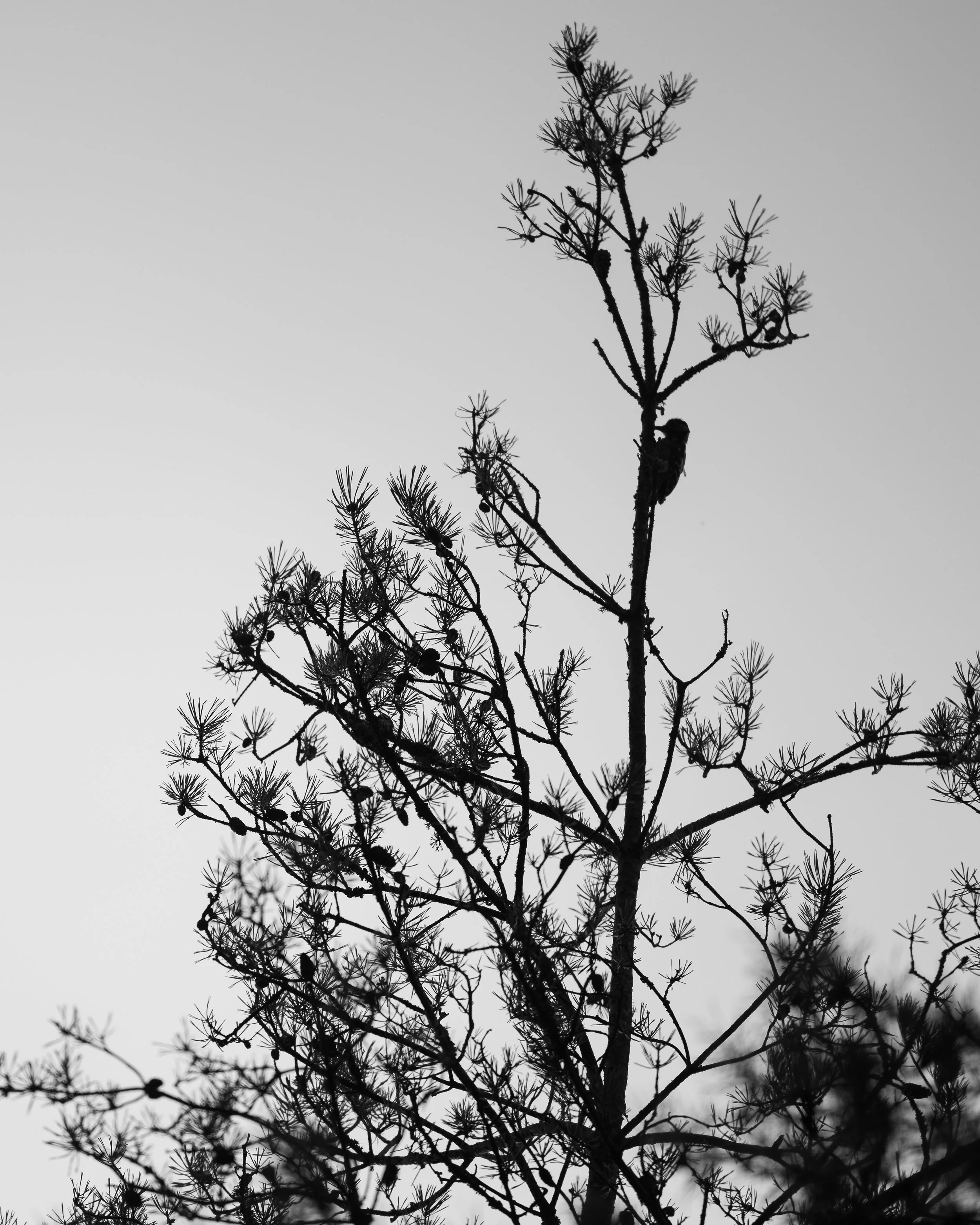
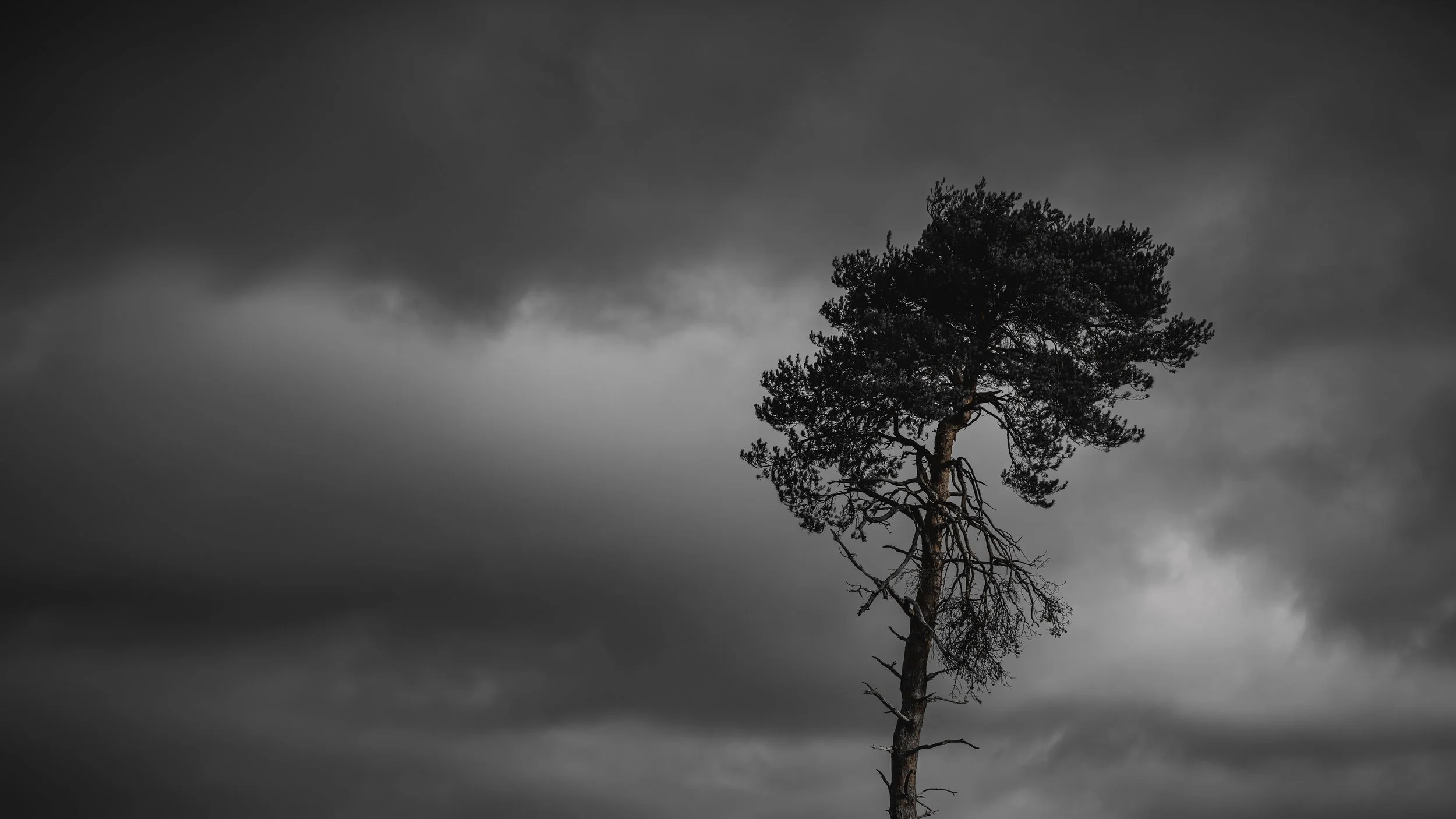
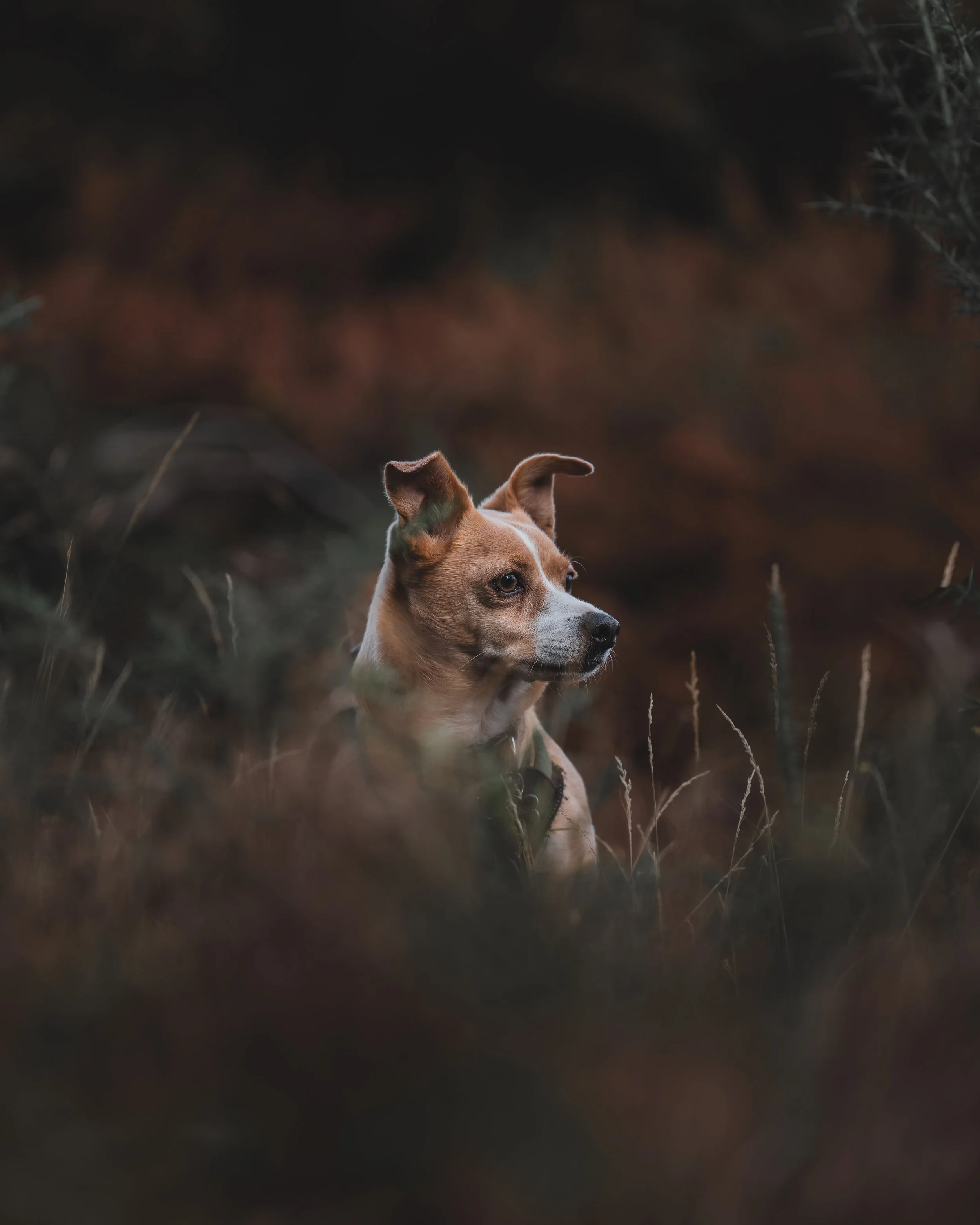
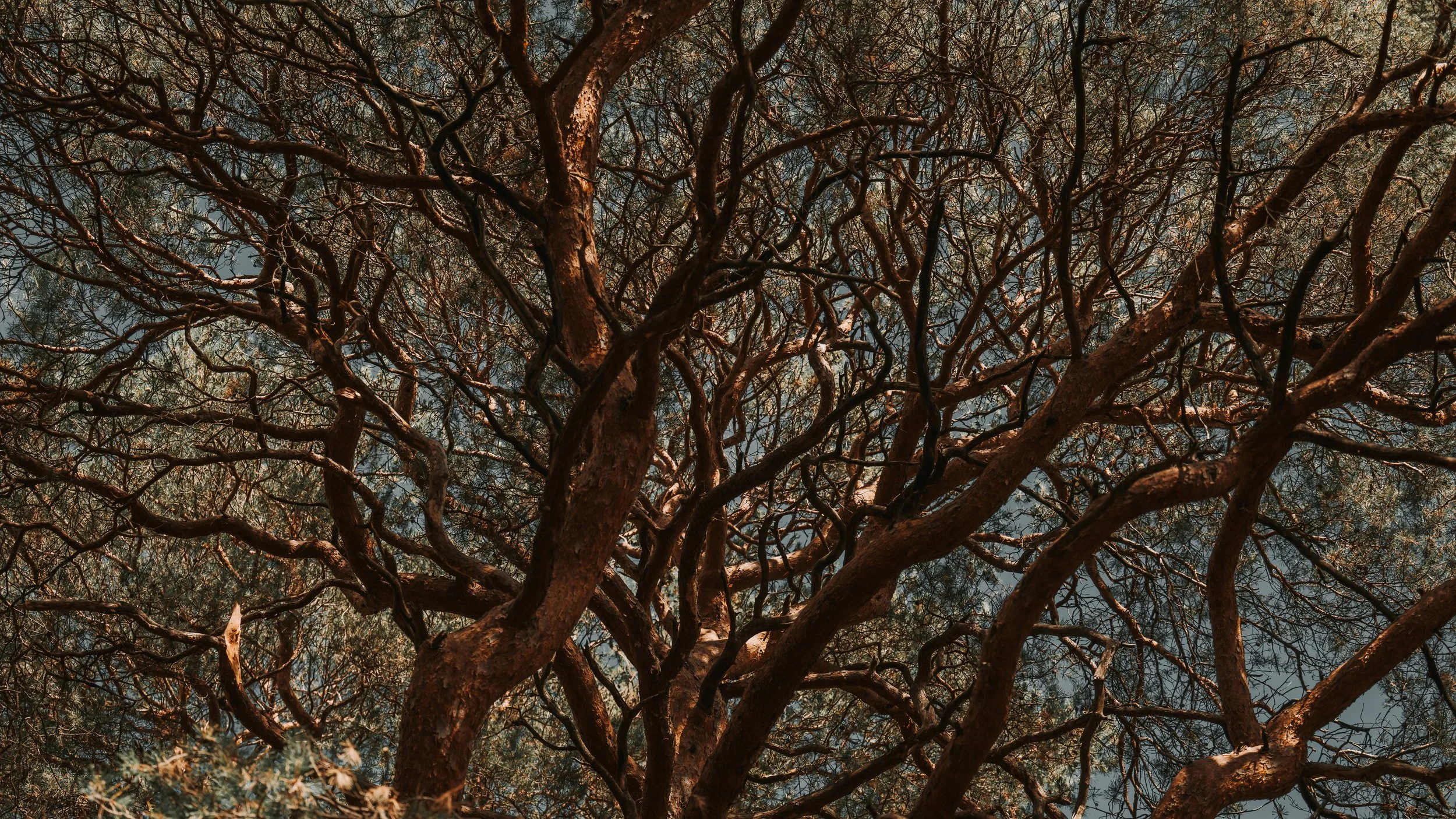
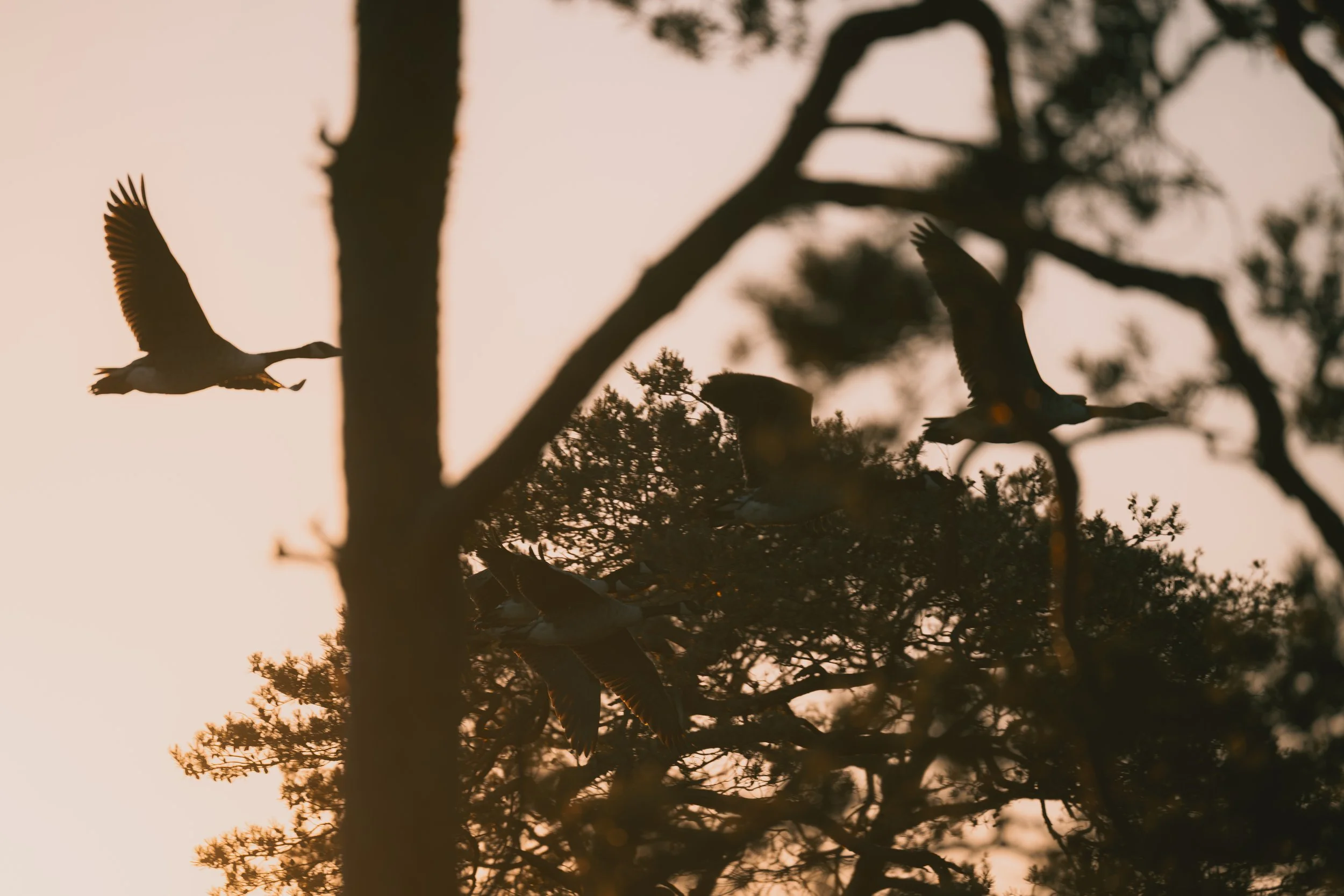
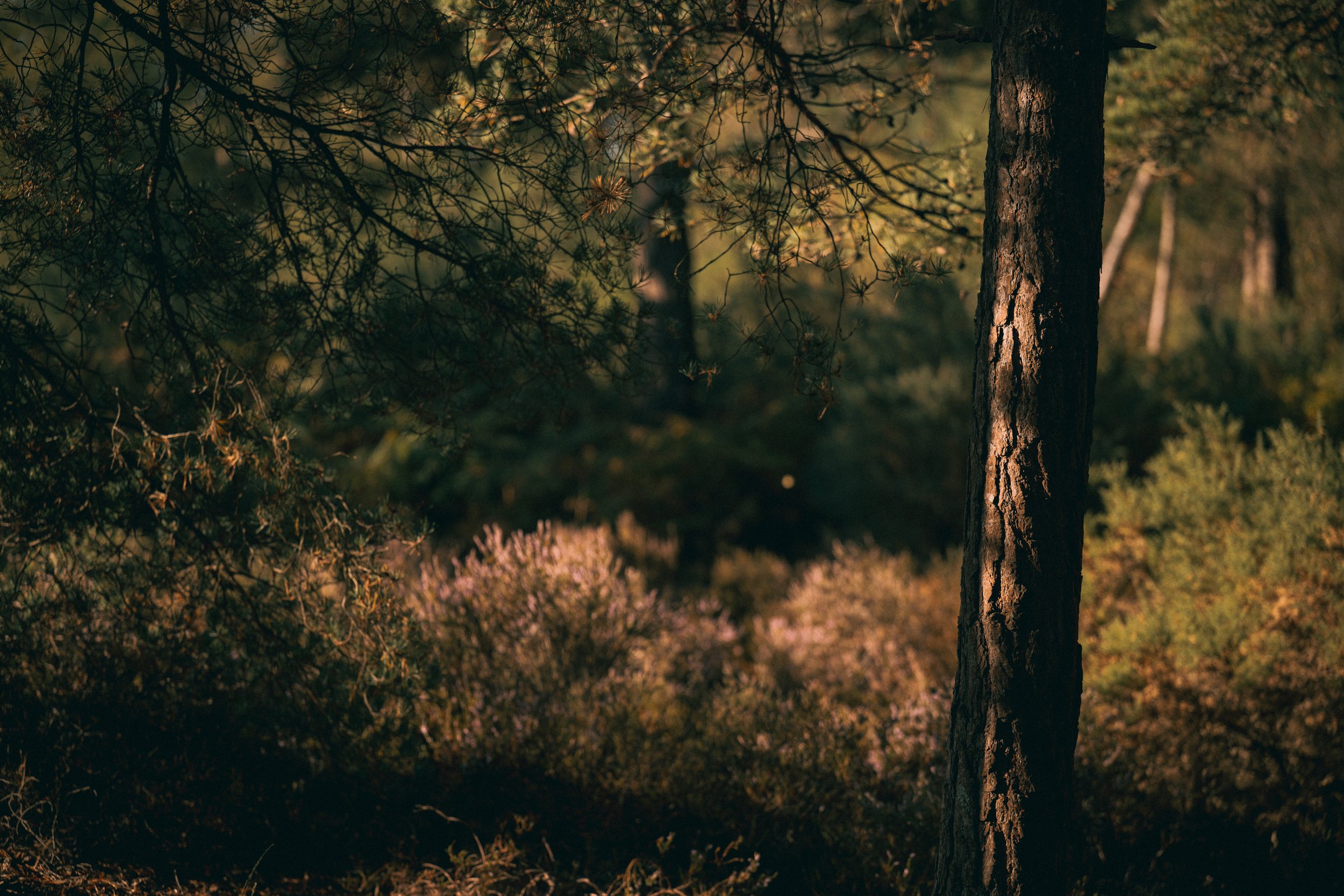
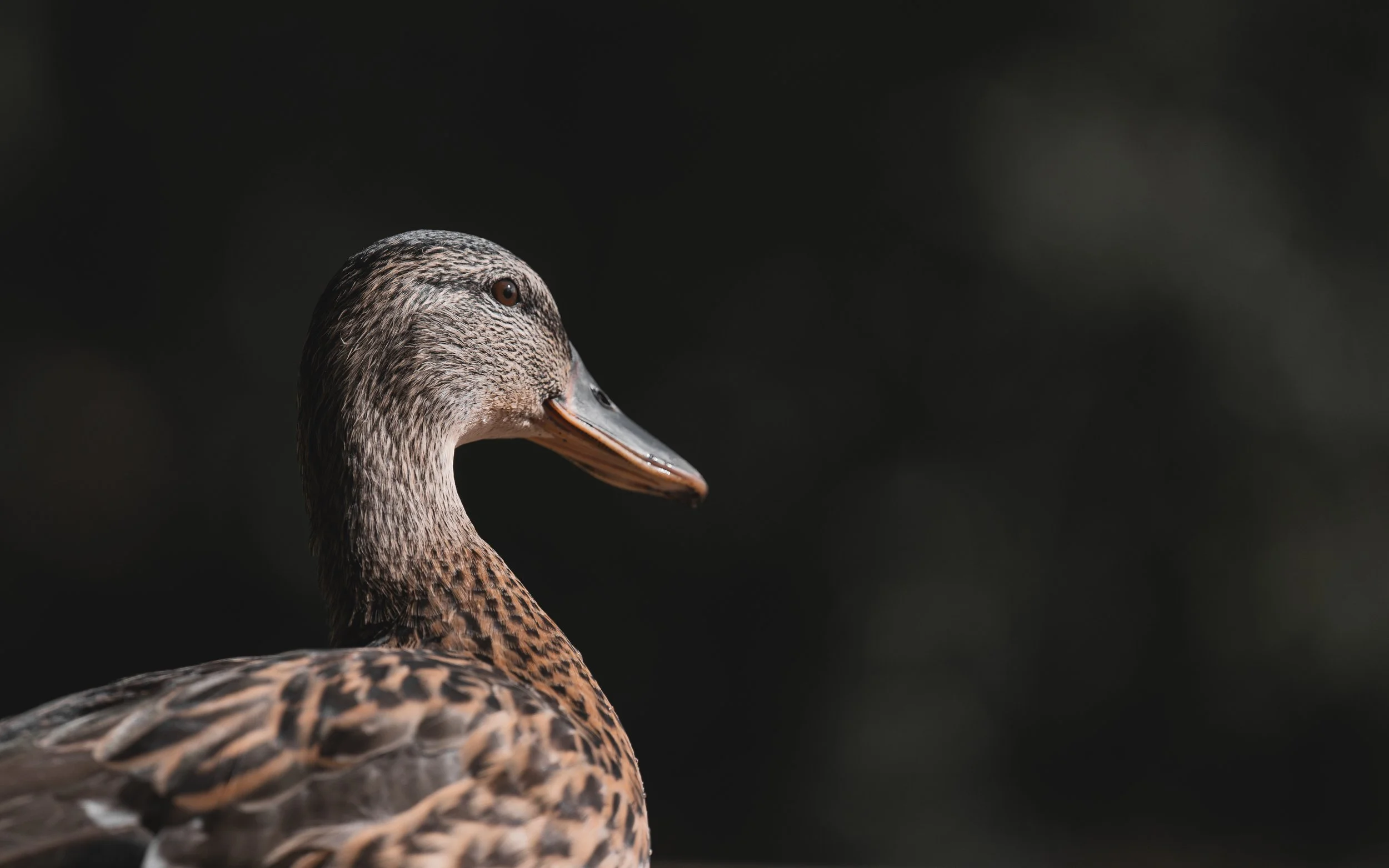
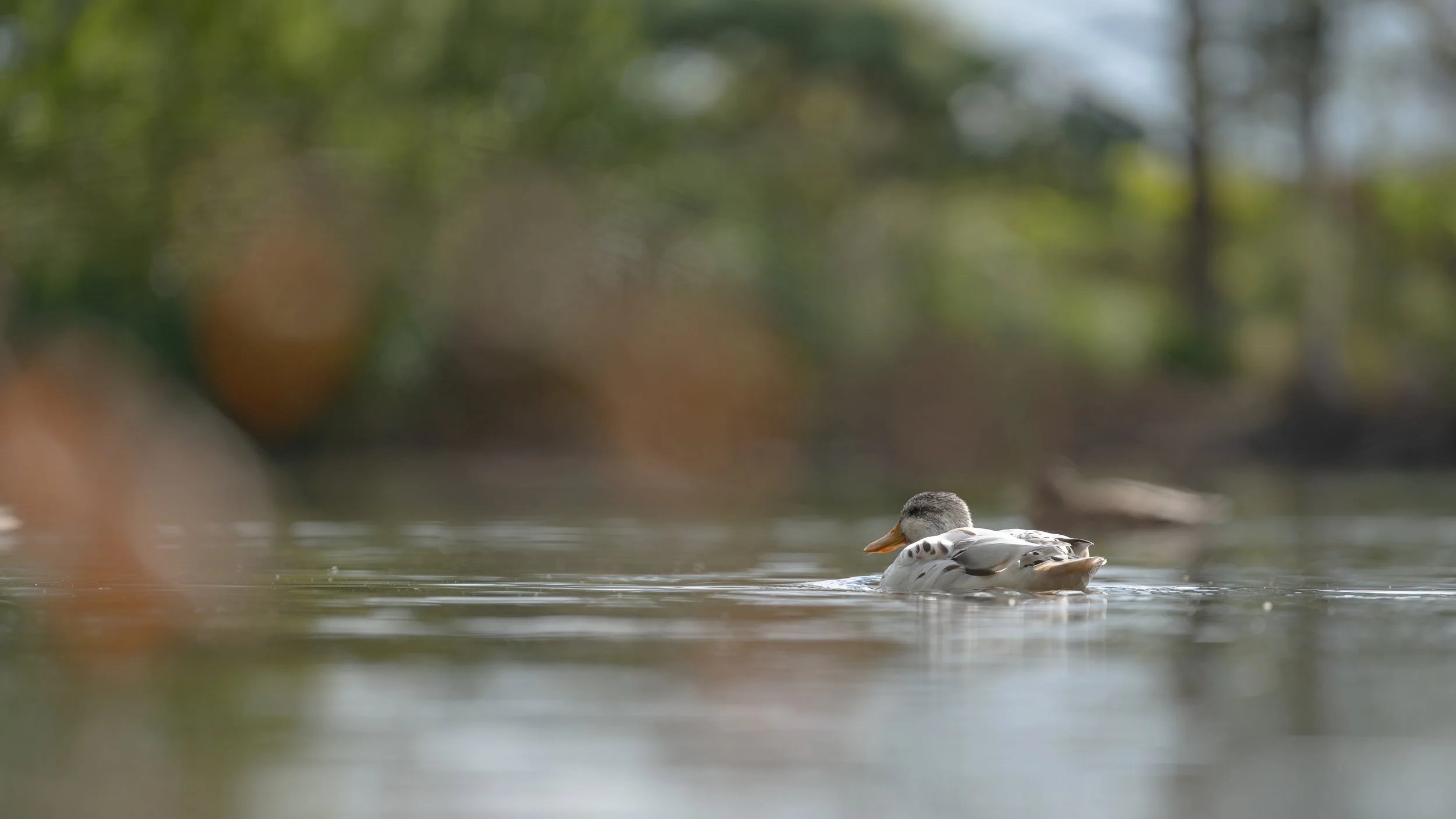
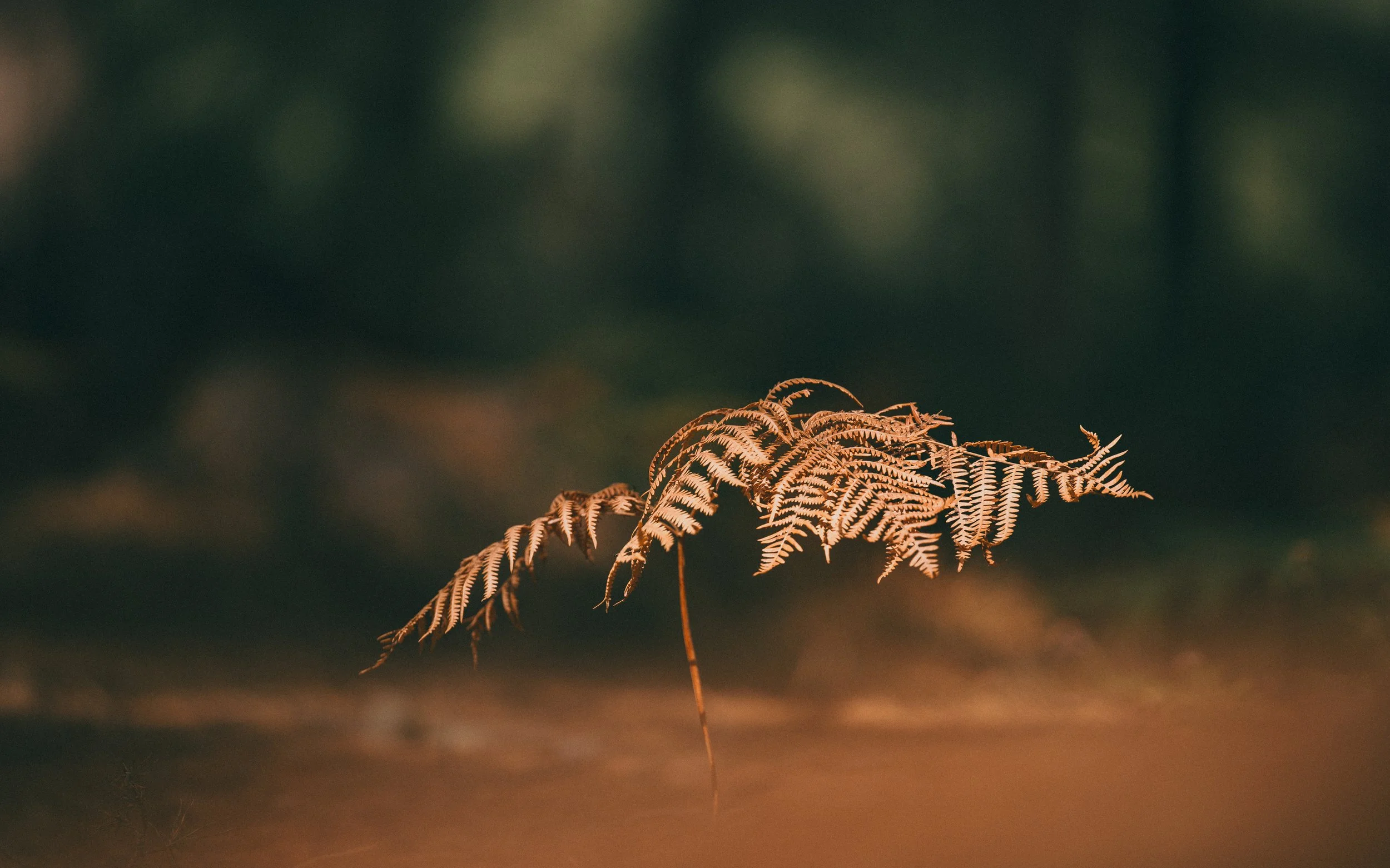
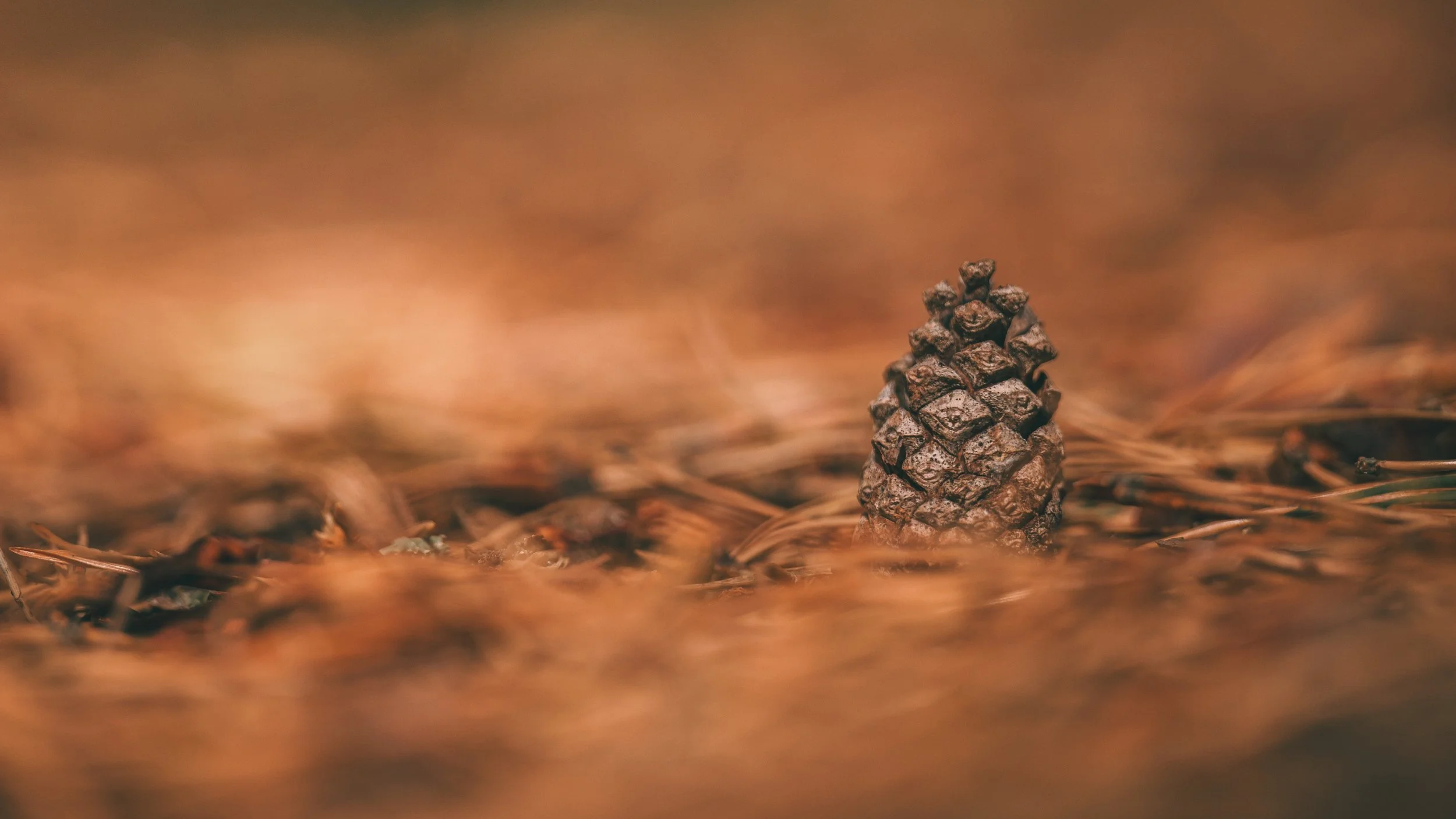
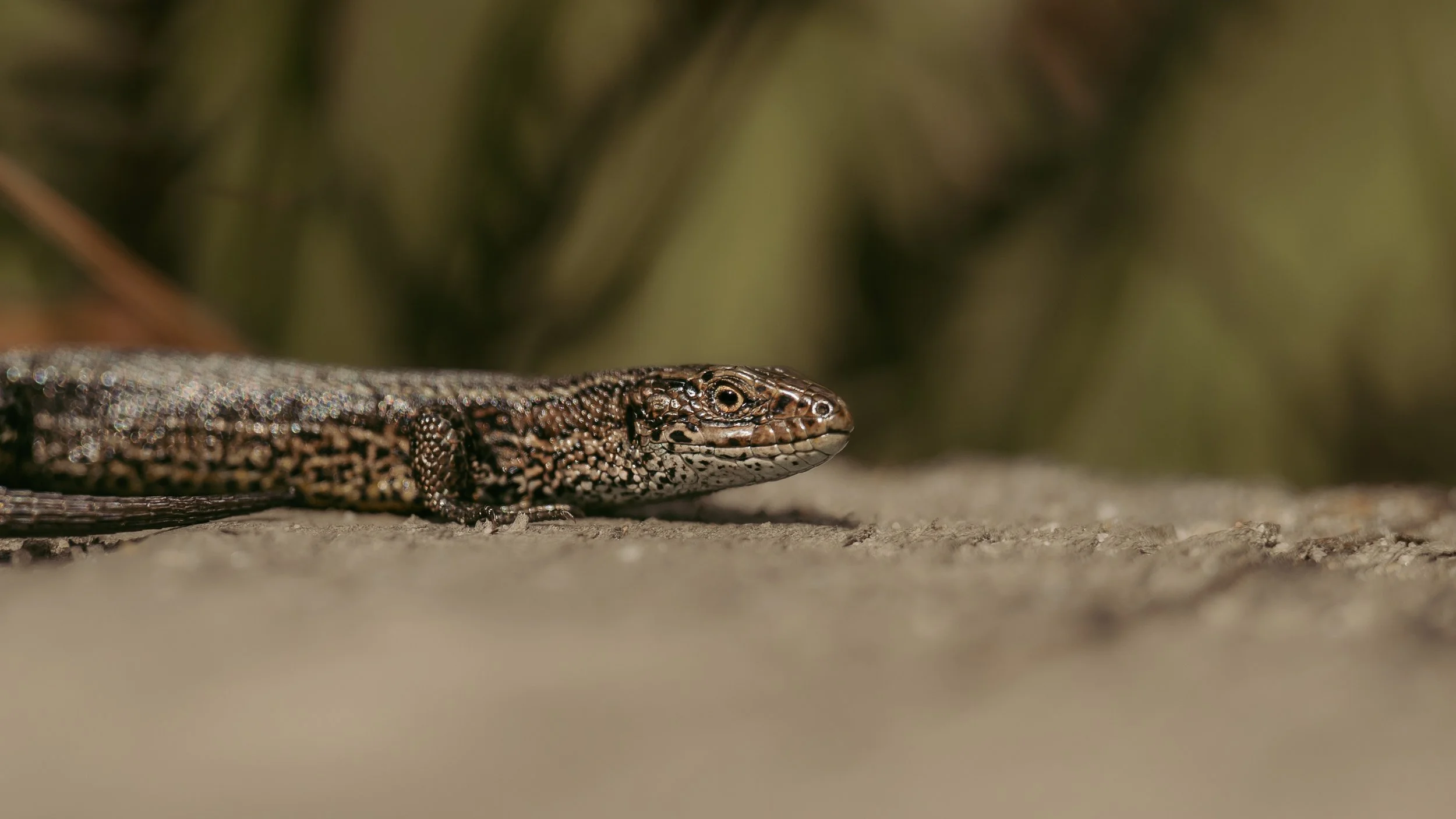
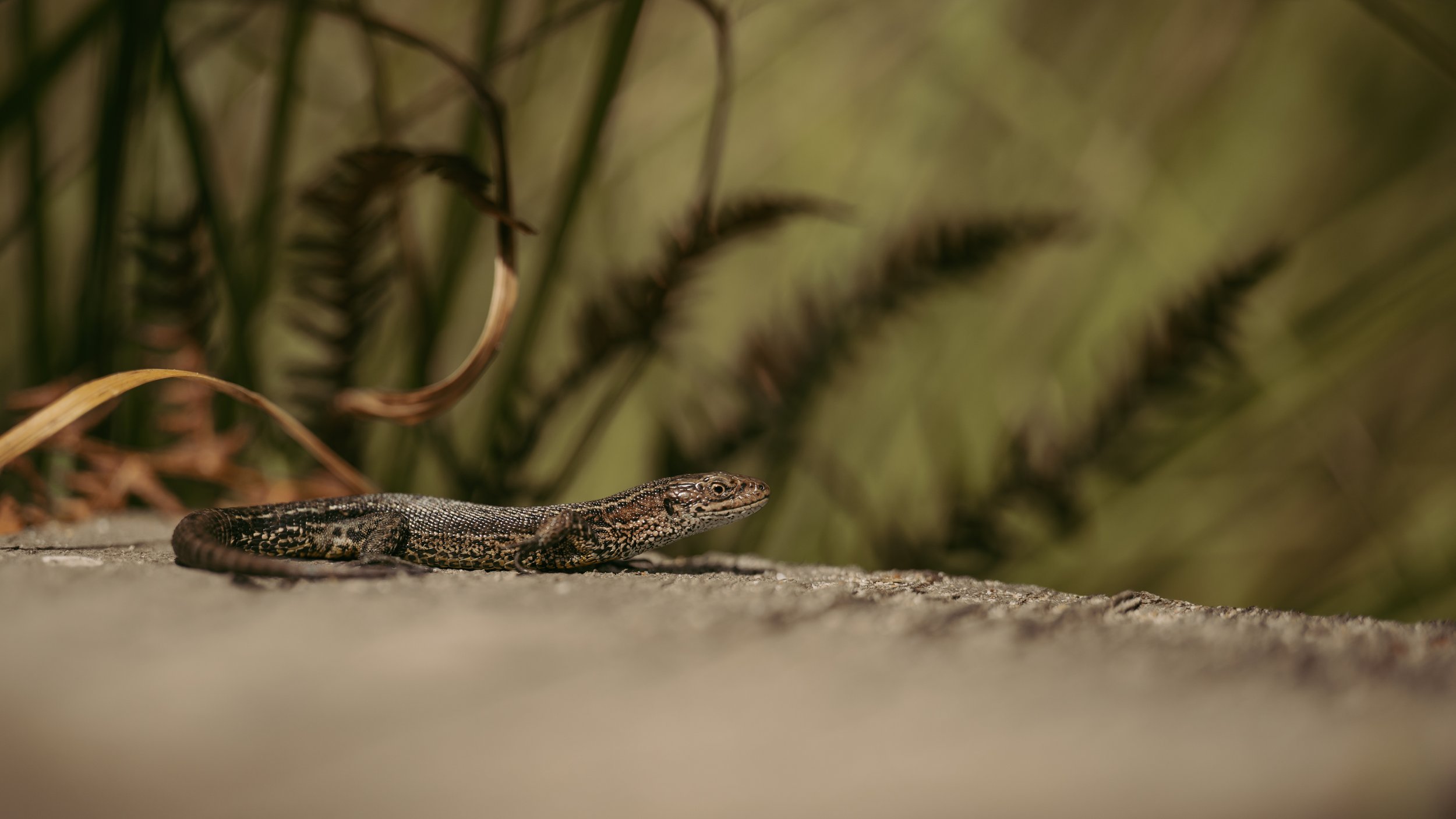
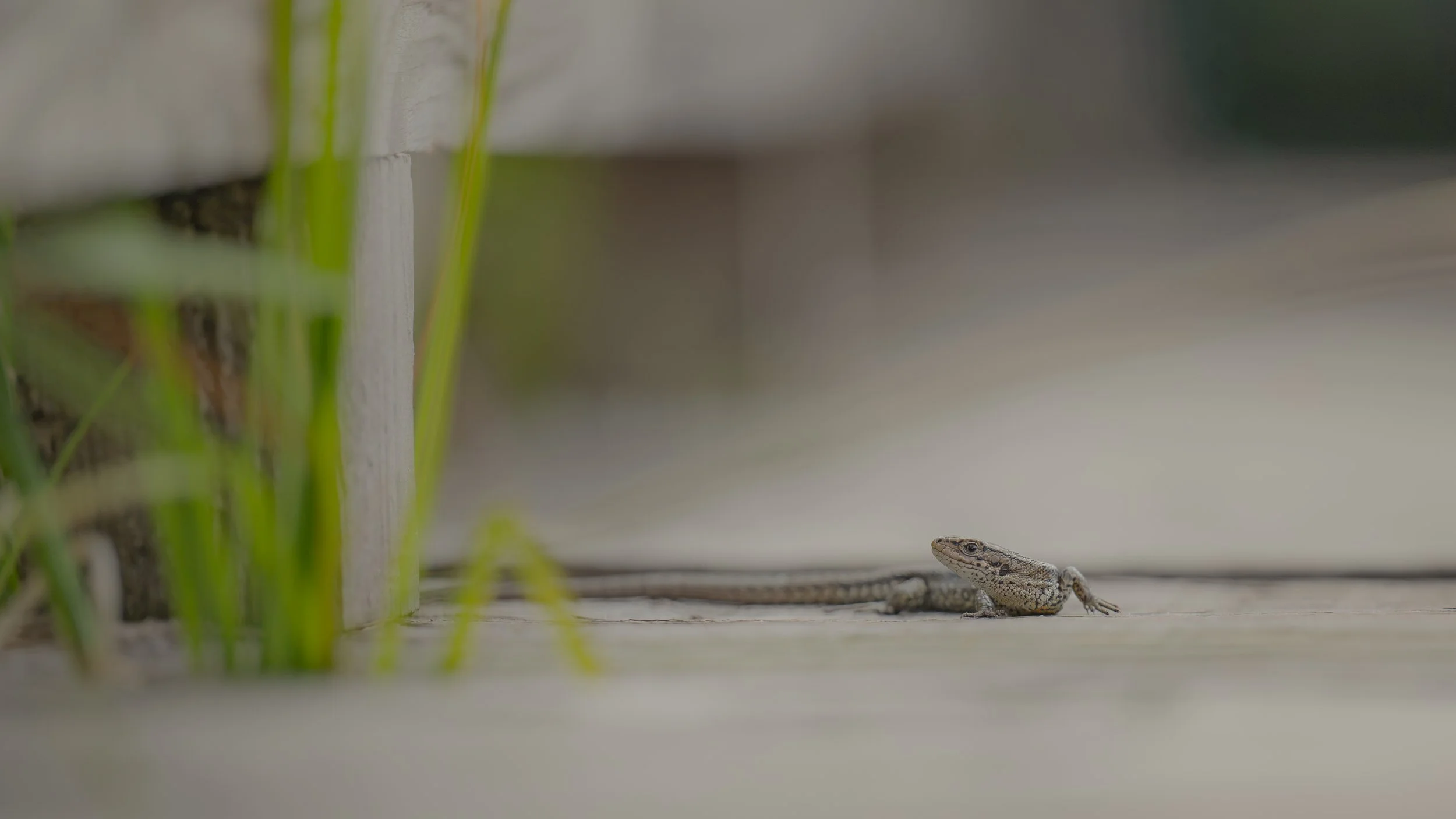
Some of them were awful. There are definitely a few photographs from the challenge that probably should never have left the camera. But that's part of the fun. Not every frame on a roll of film would be a masterpiece either. They are all below if you want to flick through them.
What surprised me most when I got home wasn't how few photographs I'd taken.
It was the keeper rate.
The percentage of images I was genuinely happy with was far higher than I expected. Slowing down didn't result in fewer photographs worth keeping. If anything, it resulted in more.
Not more photographs overall, but more photographs that mattered.
I don't think that happened because I suddenly became a better photographer. I think it happened because I became more intentional.
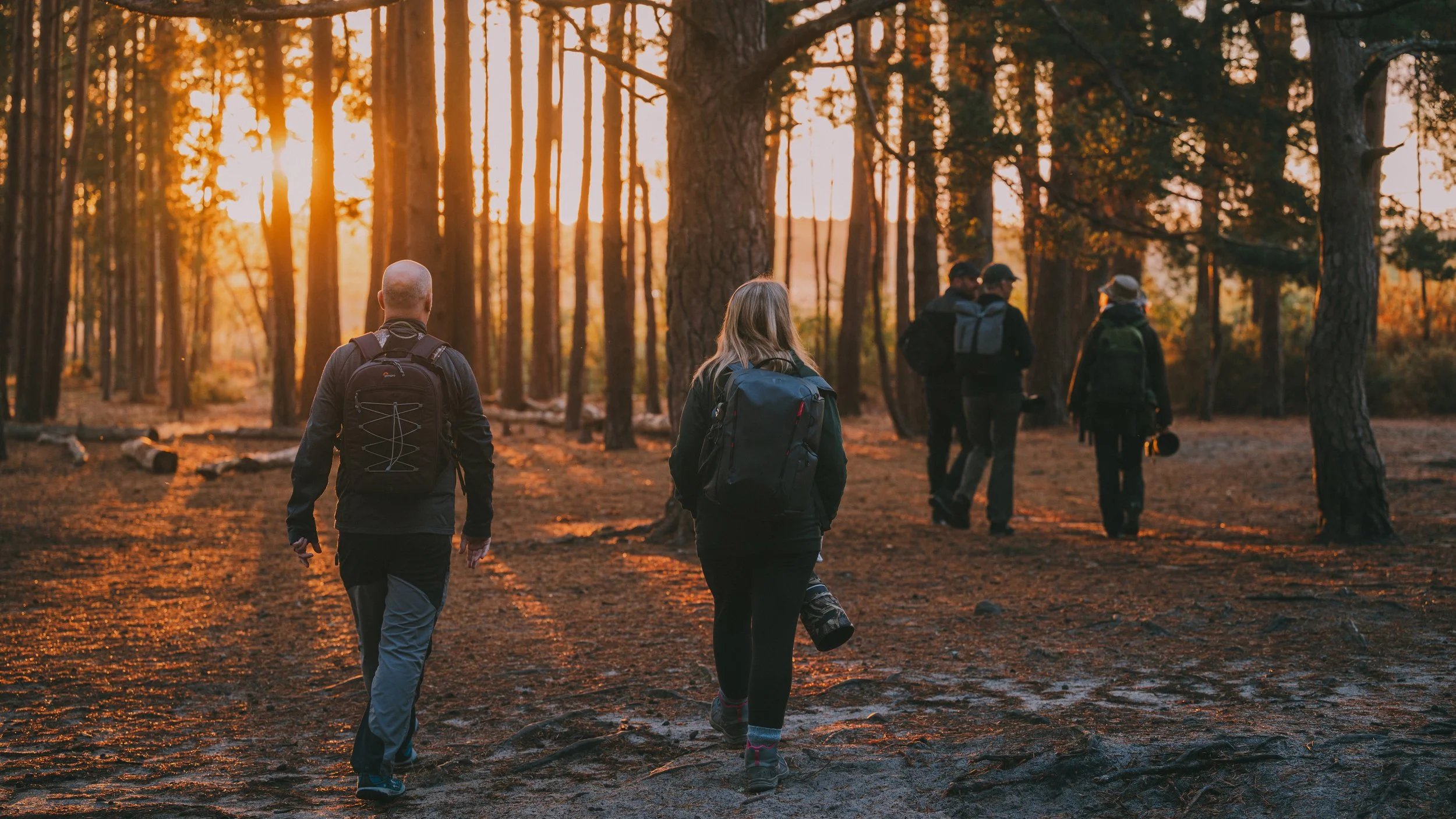
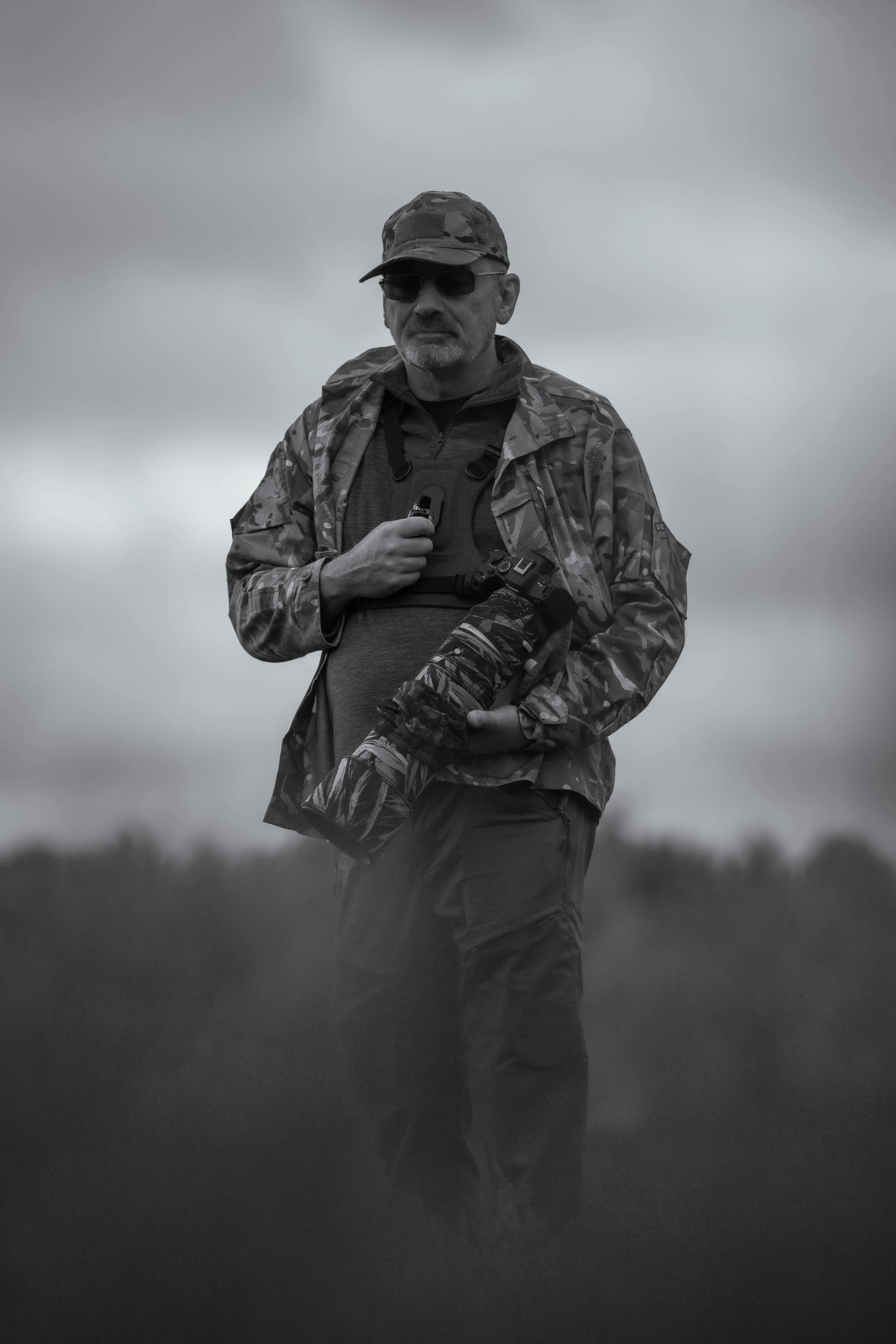
One of my favourite images from the weekend wasn't even wildlife. It was a photograph of the people I spent the day with. I love it because it tells a story, and that's something a single wildlife image rarely does on its own. Looking through the photographs afterwards, I realised many of them worked together to tell the story of the day, the landscape, the wildlife encounters and the people who shared the experience.
Looking back, I think the challenge worked because of the people as much as the rules.
Wildlife photography can be a lonely pursuit. In many ways that's a good thing. You're often more likely to encounter wildlife when you're on your own and keeping quiet. Most of my photography is done alone, wandering through nature reserves, woodlands and marshes with nothing but my camera and my thoughts.
But there is something incredibly wholesome about the community that has been built through The Wild Den.
Sharing experiences with like-minded people, learning from one another and simply spending time outdoors together is genuinely enjoyable and fulfilling. I couldn't have asked to be part of a better community, and I can honestly say these events have helped bring me out of my shell around groups of people.
The photography is obviously a huge part of it, but weekends like this remind me that photography is often about much more than the photographs themselves.
I won't be selling the Z9 and replacing it with a film camera anytime soon.
Burst mode still has its place, especially in wildlife photography. There will always be moments where speed matters and modern technology gives us an advantage.
But this challenge reminded me of something I'd forgotten.
The camera doesn't decide when to take a photograph.
We do.
And those 26 photographs taught me more about being intentional than 2,600 ever could.